The teenage years are a time of self-discovery, questionable fashion choices, and, for some, the unexpected challenge of hair loss at a young age.
We have seen teens who’ve completely changed their social lives because they’re worried about their thinning hair. Some stopped swimming, others gave up their favourite sports, all because they were trying to hide what was happening.
Just to let you know, that is not something to be scared about, but it’s more common than you might think. But at the same time, ignoring it early on can lead to bigger problems in future.
The risks of ignoring hair loss early onare real, but so are the rewards of tackling it carefully, so choose wisely. It’s not just “one of those things” you should brush off.
Knowledge is power, and understanding the symptoms, causes, and solutions can make all the difference when it comes to teenage hair loss.
Take charge and stay informed!
Key takeaways -
Teenage hair loss is a common issue seen in both males and females.
Genetics, hormonal changes, and nutritional deficiencies significantly contribute to teenage hair loss.
Certain hairstyles that pull on the hair (traction alopecia) also cause hair loss in females.
The early signs include excessive hair shedding, noticeable thinning, and receding hairlines in males and diffuse hair thinning across the scalp in females.
Lifestyle adjustments such as diet improvements and stress management should be considered to address such concerns.
You can also consider medical treatments like topical minoxidil after consulting with your dermatologist. Also, you can try a non-surgical hair replacement system designed for teenage scalp and growth patterns.
How Common is Teenage Hair Loss?
Teenage hair loss is relatively common due to hormonal changes, genetic factors, and adolescent stress.
Today, teenagers worldwide are affected by early-onset androgenetic alopecia. This type of genetic hair loss can begin as early as the mid-teen years, marked by thinning hair.
Remember, your hair indicates your overall health. If it’s sending you signals, listen to them.
What are Some Common Signs or Symptoms of Teenage Hair Loss?
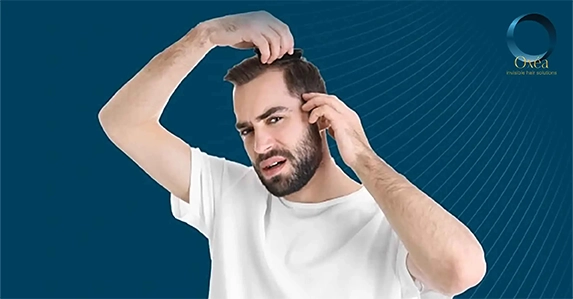
1 ) Thinning Hair :This might be the most noticeable sign, where the hair’s density decreases gradually, making the scalp more visible. Thinning hair can be a reason for hair loss at a young age and is often associated with both genetics and hormonal changes.
2 ) Bald Patches :Sudden hair loss in small, round patches may indicate alopecia areata. It’s an autoimmune disorder that causes the body’s immune system to attack the hair follicles, a reason for losing hair at a young age.
3 ) Widening Part :For many teenagers, especially females, a widening of their hair part is a slight sign of hair thinning that can be neglected in the early stages. This can be one of the reasons for balding at a young age.
4 ) Receding Hairline :Often referred to as male pattern baldness, a receding hairline begins above both temples, gradually moving back to form an ‘M’ shape. This is one of the clear signs of a receding hairline in teenagers, strongly linked to genetic factors and a reason for hair fall in teenage years.
5 ) Excessive Hair Shedding :While it’s normal to lose between 50 to 100 hairs a day, noticing more substantial clumps of hair falling out during showering or brushing is a sign that should not be ignored. This could be another reason for hair fall in teenagers and may be caused by various factors, including stress and diet.
6 ) Hair Breakage :Hair that is brittle and breaks easily can be a symptom of hair loss due to nutritional deficiencies or chemical hair treatments.
What are the Causes of Teenage Hair Loss?
1 ) Hormonal Changes : The major cause of hair loss in teenagers. Hormonal fluctuations can affect the hair growth cycle during puberty. For teenage males, the surge in testosterone can sometimes lead to hair fall at a young age, especially if they are genetically predisposed to male pattern baldness.
2 ) Genetic Factors : Hereditary hair loss, or androgenetic alopecia, is one of the major causes of hair loss in teenage males and females. If parents or grandparents experienced early hair loss, the same pattern might continue with the next generation, leading to premature balding.
3 ) Nutritional Deficiencies : A lack of essential nutrients such as iron, protein, and vitamins can lead to hair fall in teenagers. Poor dietary choices or eating disorders are common during these years and can significantly impact hair health, causing premature hair fall.
4 ) Stress :Psychological stress from academics, social interactions, or family issues is a prevalent reason for hair loss in teenagers. Stress can trigger a condition called telogen effluvium, where more hairs enter the resting phase and subsequently fall out.
5 ) Medical Conditions :Certain medical issues, such as thyroid disorders, autoimmune diseases like alopecia areata, and scalp infections, can lead to causes of hair loss in teenagers. These conditions often require specific hair loss treatment to manage the symptoms and promote hair growth.
6 ) Medications :Some medications used to treat acne, bipolar disorder, and ADHD can have side effects, including hair fall in teenagers. It’s essential to consult with healthcare providers to manage these effects effectively.
7 ) Chemical Hair Treatments :Over-styling, chemical treatments, and improper use of hair care products can cause damage to the hair follicles, leading to teenage hair fall.
What are the Solutions or Treatments for Teenage Hair Loss?
Improved Nutrition : Since a poor diet can majorly contribute to hair loss at an early age, improving nutritional intake is very important. A balanced diet rich in iron, zinc, omega-3 fatty acids, and vitamins such as vitamin D and B12 can support hair health.
Stress Management : Given that stress can trigger hair loss, implementing stress reduction techniques such as exercise, meditation, and counselling can be beneficial. These practices help manage stress and may reduce the impact on hair growth.
Medical Treatments : For hair loss due to hormonal imbalances or medical conditions, consulting with a healthcare provider is essential. They might prescribe medications that balance hormone levels or treat scalp conditions contributing to hair loss.
Topical Treatments : Minoxidil, often marketed under the name Rogaine, is one of the few proven premature hair loss treatments available over the counter. It’s suitable for both males and females and can stimulate hair growth when applied to the scalp daily.
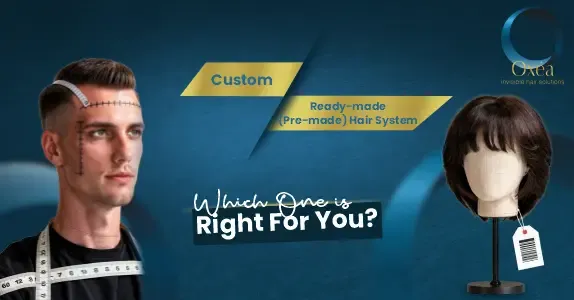
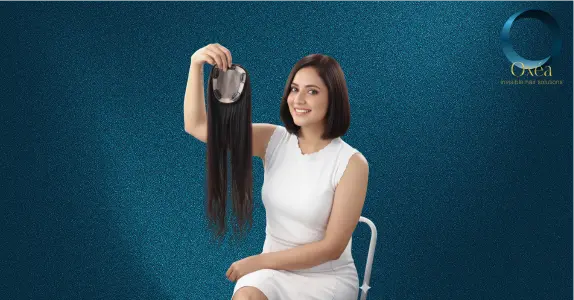
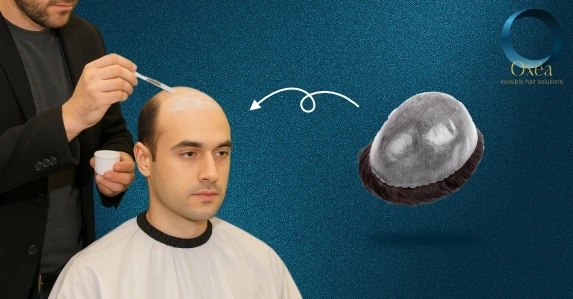
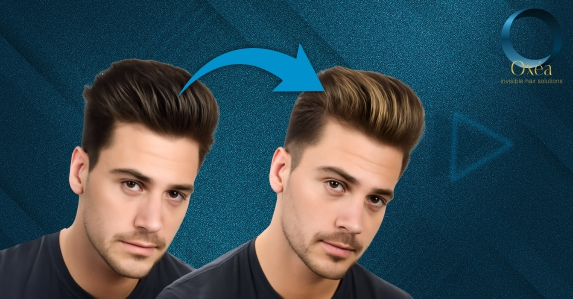
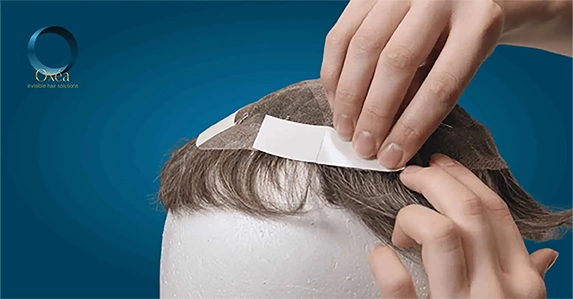
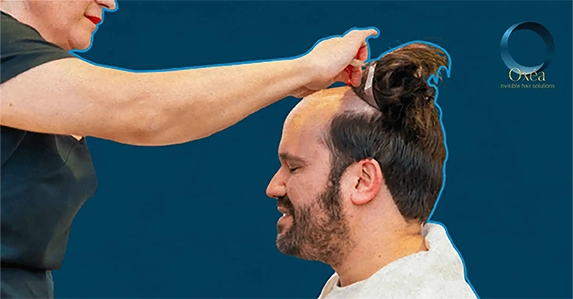
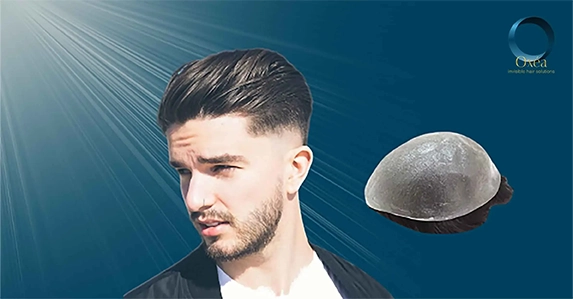
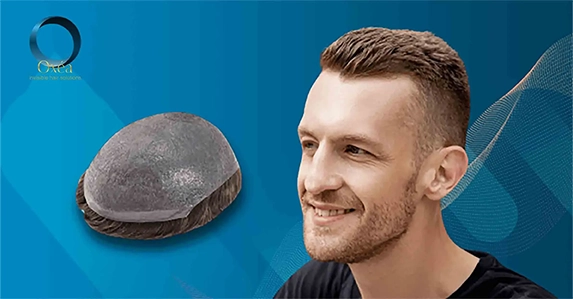
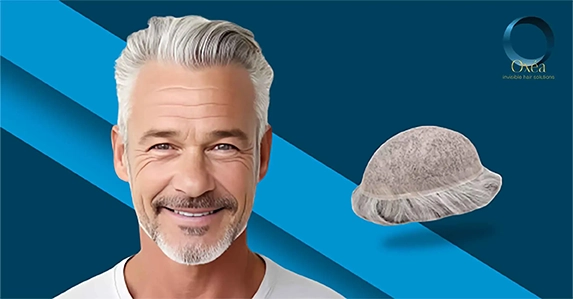
Non-Surgical Hair Replacement : For more immediate results, particularly in cases of significant hair loss, non-surgical hair replacement systems offer an instant solution.
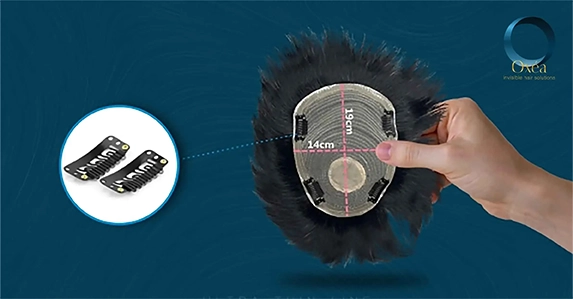
These systems involve creating a custom hair system, such as a hair piece, that matches the natural hair in colour, texture, and style. This option is excellent for covering bald patches or severe thinning and can be particularly beneficial in boosting confidence and self-esteem in teenagers dealing with hair loss.
A mix of hormonal changes during puberty, genetics, nutritional deficiencies, stress, certain medical conditions, some medications, and over-styling or chemical treatments can all contribute.
Improved nutrition, stress management, and medical treatments like topical minoxidil (consult dermatologist first) can all help. For more immediate results, a non-surgical hair replacement system designed for a teenage scalp and growth pattern offers instant coverage.
Some shedding is normal, but teenage hair loss is more common than people realise, often linked to hormonal changes, genetics, or stress. Noticeable thinning or patches are worth having checked early rather than ignored.
Talking openly with someone you trust helps, alongside stress-reduction techniques like exercise, meditation, or counselling. If the hair loss itself is the main source of stress, a consultation to explore options like a non-surgical hair system can offer both a practical solution and peace of mind.
Hair loss during the teenage years can be challenging to tackle.
Hair loss is caused by genetics, hormonal changes, nutritional deficiencies, or lifestyle factors, and teenage hair loss is often manageable with proper intervention.
However, for those seeking immediate, natural-looking results, non-surgical hair replacement solutions offer a life-changing option.
At Oxéa London, our expert team specialises in creating customised hair replacement systems that help teenagers regain their confidence and embrace life fully.
Author Profile
Megan Brooks
Megan Brooks is a Certified Trichologist at Oxea Invisible Hair Solutions with over 21 years of Unbeatable experience. Throughout her remarkable career, she has successfully completed an impressive 8000+ hair replacement systems. Megan is dedicated to transforming lives and boosting self-confidence so that one can live with all the pride. She has served over 800 satisfied clients and still-counting, while helping them regain their natural appearance and feel their best.