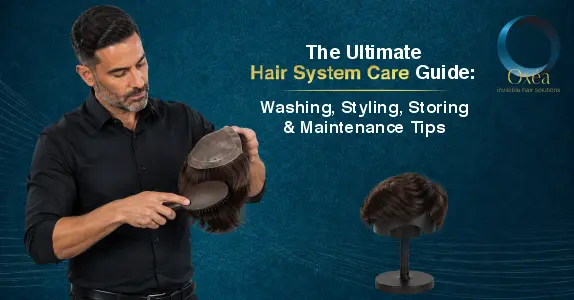
The Ultimate Hair System Care Guide: Washing, Styling, Storing & Maintenance Tips
Written by
Megan Brooks
Last modified
SHARE ON
Table of Contents
Contact our specialists now for Hair Replacement!
Share this article
Introduction
Hair System care is not just about giving it a proper wash, but it’s the difference between a hairpatch that lasts a few weeks and one that serves you beautifully for months.
After years of perfecting hair systems, we have seen the mistakes that cost people a lot, and on that basis, we can tell you that proper hair system maintenance starts with education, not expensive products.
Hair Systems behave according to their construction and fibre type; ignore these fundamentals, and you’re setting yourself up for frustration. Master them, and you’ll wonder why everyone else struggles whilst your hair system consistently looks great. Prevention beats correction every single time!
Because if you’re going to wear it, you might as well own it.
Key takeaways
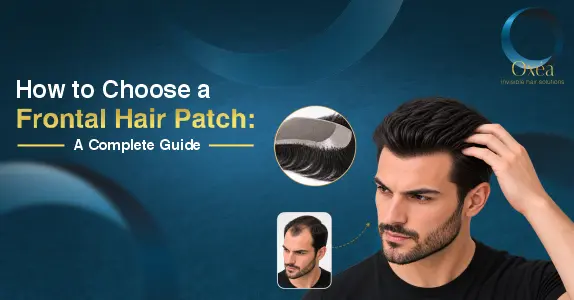
Hair system fibre, cap type, length, and density must align with your needs and lifestyle.
Detangling before washing and using hair system specific tools prevents shedding, matting, and lace damage.
Heat styling is fibre-dependent; only heat-style hair systems specifically marked as heat-resistant or human hair.
Daily brushing, correct storage, and product moderation are essential for long-lasting wear and a natural look.
Avoid common mistakes like over-washing, sleeping in hair system, or using harsh products.
Synthetic vs. Human Hair System vs. Heat-resistant vs. non-heat-resistant Hair system
Each hair system type comes with its own maintenance demands, styling potential, and lifespan. So, before you commit, know your categories inside out.
1 ) Synthetic Hair System
These are the most accessible and low-maintenance options. The fibres are pre-styled, meaning what you see is what you get. They hold their shape brilliantly but don’t cope well with heat unless labelled as heat-resistant. Think convenience, not versatility.
2 ) Human Hair System
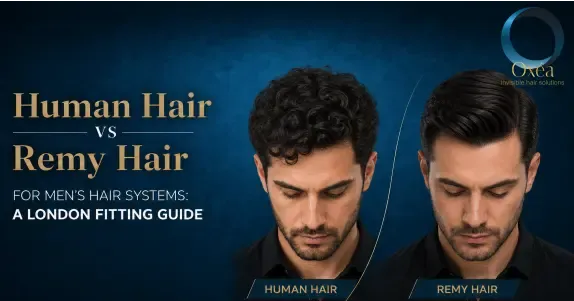
The gold standard. Natural, durable, and versatile, these hair systems behave just like natural hair because they are natural hair.
They can be coloured, styled, curled, blow-dried, but with that flexibility comes greater responsibility. You’ll need to invest in proper hair system care tips to keep it soft, nourished and wearable for long term. The lifespan of a hair system here can stretch months, but only if you treat it right.
3 ) Heat-Resistant Synthetic Hair System
These are a middle ground styled like synthetic hair system, but with some flexibility. You can straighten or curl them (up to a point), but remember, even the best heat-resistant synthetic fibres have limits. Go too hot, and you’ll melt the strand. So, always use professional-grade heat tools with low settings.
4 ) Non-Heat-Resistant Synthetic Hair System
These are designed for longevity of style but not for heat styling. Any exposure to straighteners or curling tongs? Say goodbye to the fibres. This hair system type is ideal if you want a (throw-on-and-go) option without any effort, just don’t expect to change the look.
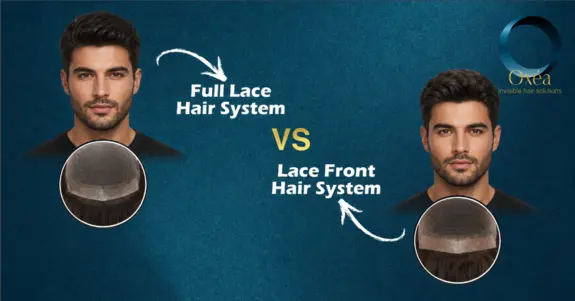
| Quick expert note: The hair system’s construction matters too, lace front, full lace, monofilament caps, all affect how natural the hairline appears and how breathable or secure the unit feels on your scalp. For those with sensitive scalps or undergoing hair loss treatments, these construction choices are very important.
And if you’re looking for textured units that cater to coarser curl patterns? Our speciality lies in creating Afro hair systems that don’t compromise on density, definition, or comfort.
What to Consider Before Buying a Hair System?
1. Cap Construction and Comfort
Professional hair system fitting begins with understanding cap construction. Monofilament provide the most natural scalp appearance, whilst lace fronts offer smooth hairline integration.
Machine-made wefts are more durable but less breathable than hand-tied alternatives( so keep this in mind)!
Consider your lifestyle demands:
Daily wear requires a lightweight, breathable construction.
Occasional use allows for denser, more dramatic styles.
Active lifestyles benefit from secure, moisture-absorbing caps.
2. Density and Length Considerations
Hair system density ranges from 80% (light) to 180% (extra heavy), with 120-130% representing average human hair density. Length affects both styling options and maintenance requirements, longer hairpatches require more careful handling and storage.
A flat hair system looks lifeless. A too-thick one? Unnatural. Choose a density that matches your head shape and personal style. Texture matters too straight, wavy, curly or coily. And if you’re after authenticity with curl pattern, our Afro hair system offer natural density, texture and structure that celebrates natural beauty.
3. Hair Type
From a clinical perspective, synthetic hair system are brilliant for low manipulation. If your scalp is undergoing healing or inflammation, less styling = less stress.
But if you need styling freedom (particularly for long-term wearers), opt for human hair system. It retains the cuticle, meaning fewer tangles, longer wear, and more adaptability.
Not all human hair is equal, so always ask about origin, processing, and cuticle alignment. We use ethically sourced, high-density strands with natural flow.
4. Texture Matching and Colour Selection
Matching your natural texture requires understanding hair patterns across the entire spectrum from pin-straight (1A) through loose waves (2A-2C), defined curls (3A-3C), to tight coils (4A-4C).
Each texture category behaves differently, requires specific care, and responds uniquely to environmental factors like humidity and heat. Getting this wrong means your hair system will never look natural, regardless of how much you spend.
The complexity increases with mixed textures. Many people have varying curl patterns throughout their head, making perfect matching nearly impossible without professional guidance.
At Oxea London, our particular expertise in crafting hair systems means we understand the requirements of highly textured hair, where curl pattern consistency and natural movement are important.
Colour selection extends far beyond simple shade matching. Base colour, undertones, highlights, lowlights, and root shadows all contribute to a natural appearance. Professional colour consultation ensures your investment complements your skin tone, lifestyle, and maintenance preferences.
5. Length & Lifestyle Compatibility
If you’re using hair system daily as a hair loss solution, weight, cap fit, and fibre friction must be considered.
Longer hair patch add tension to already sensitive areas, especially around the nape and temples. We often recommend shoulder-length units with layered ends to reduce heaviness while still giving coverage.
For active clients or those recovering from scalp treatment, look for lightweight units with adjustable elastic bands( without glue).
| Pro tip: A well-selected hair system should feel like you, not like you’re wearing someone else’s hair.
Pre-Wash Preparation
Before you think of washing your hair system, there’s groundwork to be done because improper preparation can shorten lifespan of your hair system.
Think of this stage as preventative maintenance: it stops matting, protects fibres, and ensures that your wash routine improves the hair system instead of wearing it down.
1. Start with a Full Detangle (Root to Tip, Always)
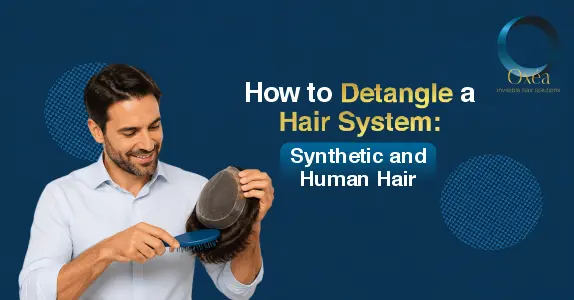
Always detangle a hair system using a wide-tooth comb or hairsystem- specific detangling brush. Start from the ends and work upwards to avoid tugging and snapping fibres.
Never detangle a women’s hair system while it’s wet; it stresses the strands, especially at the wefts.
| Expert insight: For curly textures, particularly 3C to 4C types – finger detangling preserves curl pattern better than tools. This also prevents over-stretching the hair, which leads to fibre fatigue over time.
2. Secure the Hair System on a Block Head or Stand
Placing the Hair System flat in your sink is a mistake.
Use a hair system stand to keep the shape intact and give you full control over the direction of washing. It’s not just about ease it prevents unnecessary tangling and protects the lace.
3. Identify and Treat Build-Up Areas
Focus on areas where oils or adhesive residue build up, typically the lace front, crown, and nape.
These need to be gently pre-cleansed using a sulphate-free cleanser or micellar water. For Afro hair system, be especially careful around the hairline, where edge control products tend to accumulate.
Hair System-safe shampoo (sulphate- and paraben-free)
Light conditioner
Optional: knot sealer spray (for lace units), if you want to prolong the lifespan.
How to Wash a Hair System
1. Understand Your Hair Patch Fibre Before Washing
Synthetic hair system (non-heat-resistant): Do not use hot water, as it will warp the fibres. Use cool to lukewarm water only.
Heat-resistant synthetic hair system: Treat like synthetics but with a gentler shampoo and extra care in rinsing; these tend to trap more product buildup.
Human hair system: Require pH-balanced, sulphate-free shampoo. Think of it like caring for virgin hair - no harsh chemicals, no over-scrubbing. If it’s dyed, treat it like colour-treated hair.
2. Submerge Gently — Don’t Soak and Swirl
Fill a basin or sink with cool/lukewarm water and add a capful of hair system shampoo.
Turn the hair system inside out and gently submerge, letting the water penetrate the cap and fibres.
Don’t swirl or twist. This causes tangling, especially at the nape and crown, where hair density is highest.
3. Focus on High-Touch Zones
Use your fingertips to lightly massage the lace front, parting, and areas where sweat or product tends to collect.
For curly hair systems, be especially careful with coiled textures. Use downward motions to maintain the curl pattern.
4. Rinse Strategically
Rinse under cool running water in the direction the hair falls – root to tip. This reduces tangling and helps remove product fully. Do not scrub or squeeze the hair; instead, allow water to run through naturally.
Conditioning and Drying Your Hair System
This step determines how your hair system feels, behaves, and wears in the days to come. Do it wrong, and you’re left with frizz, roughness or heavy strands. Do it right, and your hair system stays soft, lightweight and beautiful.
1. Apply Conditioner the Professional Way
Use a lightweight, hair system-safe conditioner. Avoid the roots or knots. Conditioner softens knots and weakens them over time, causing shedding. Apply from mid-shaft to ends only.
2. Let It Sit — But Not for Too Long
Leave the conditioner on for 5–10 minutes max. Any longer and you risk residue buildup, especially with synthetic hair system.
3. Rinse Gently and Blot
Rinse again in the direction of the hair. Never upside-down, never back-to-front.
Once done, gently blot (not rub) the hair patch with a microfibre towel. Avoid terry cloths, they’re too rough and can snag fibres, particularly on delicate lace units.
4. Air-Drying Over Heat-Drying
Place the hair system on a hair system stand or mannequin head. Avoid direct sunlight, and never use a hairdryer unless the hair system is heat-safe and you’re using a protective serum.
| Pro insight: Want to retain shape? Place a hair net over the hair system as it air-dries. This maintains curl definition or wave pattern without stiffening sprays.
5. Lock It In
Once dry, a light spritz of leave-in conditioner or knot sealer (for human hair lace system) helps lock in moisture and prevent shedding. You’ll feel and see the difference with every wear.
Styling Your Hair System
When you want your hair system to look natural and stay in place all day, styling matters.
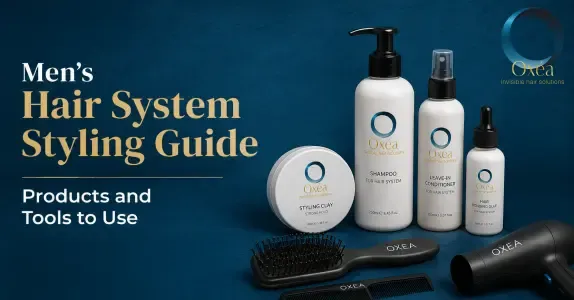
Choose the right tools – Always use a hair system brush or wide‑tooth comb. For synthetic fibres, avoid regular heated tools unless the hair system is explicitly heat‑resistant. For human hair hair system, tools with adjustable heat (low to medium) protect the cuticle and reduce shedding.
Product application techniques - The key to natural-looking hair system styling lies in product placement and technique. Start with lightweight, water-based products at the mid-lengths and ends, avoiding the lace base or cap construction entirely.
Remember, less is always more with hair system styling products. A single pump of serum distributed through lengths from 12 inches to 24 inches will suffice for most styling needs.
Mind the density and texture – A high‑density hair system gives volume, but you’ll need stronger styling products and lighter hairspray to avoid weighing it down. For finer textures or lighter densities (120‑150 %), fewer products, gentler holds.
Style with your scalp constraints in mind – If you're using hair systems as part of managing non‑surgical hair loss, scalp sensitivity matters. Avoid tight updos or tight ponytails that pull on hair patches and stress fragile edges.
Colour blending & parting placement – To look natural, align parting with your natural growth direction. If your scalp tone has altered (post‑treatment, etc.), choose a hair system with a realistic lace front or hand‑knotted parting so you can customise it.
Finishing touches – Use lightweight hair system‑safe sprays or serums to tame flyaways. If it’s a human hair system, occasionally use a leave‑in product to preserve softness and shine.
| Tips for wearing hair system properly include minimal direct heat, using heat protectants (for human hair), and matching density to style so it moves naturally.
Hair System Storage and Maintenance
Neglecting how you store your hair system is the quickest way to ruin it. Understanding how to store hair systems properly protects the lace, maintains the shape, and helps preserve fibre quality long‑term.
Always clean and detangle before storage. Dirt or product residue left can degrade fibres or weaken lace over time.
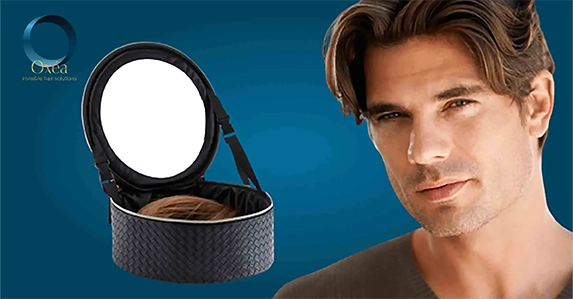
Use a hair system stand or canvas block head when possible; it keeps the shape intact. If short on space, fold gently from ear to ear and store in the original box, lined with tissue paper or inside a silk/satin bag.
We recommend keeping your hair system away from direct sunlight and moisture.
For long hair systems or curly/Afro textures, consider lightly stuffing the crown with tissue to avoid flattening.
Maintenance between wears:
Light brushing or finger‑detangling daily (especially Afro or curly textures) to prevent mattes.
If you sweat a lot or use cosmetic products, refresh lightly with hair system‑safe cleanser or dry shampoo.
Store human hair system with a little leave‑in or conditioning spray (just mid‑shaft to ends) to prevent drying, but avoid heavy products near the lace or roots.
Common Mistakes to Avoid
Wearing the hair system too tightly or using unsuitable adhesives daily: this can stress both your natural edges and the hair system cap or lace, especially if density is high.
Sleeping or showering with the hair system on (unless it’s explicitly designed for that), moisture, friction and weight will damage fibres and distort lace.
Using high heat on synthetic fibres, unless marked heat‑resistant, synthetic hair systems can melt, warp or lose texture.
Over‑washing human hair systems after every wear will make their strands brittle, and synthetic hair systems too often degrade the fibre coating. Wash only when needed (after service, product build‑up or at set intervals)
Using the wrong products, standard hair serums, heavy hair sprays with alcohol, can dry out hair system fast, especially lace fronts and human hair units.
Expert Hair System Care Tips (Daily Maintenance)
Want to know how to care for a hair system like a true expert? It starts with consistent, small habits. Daily hair system care prevents irreversible damage, especially around the lace, parting, and high-friction areas like the nape.
Start each day with a gentle brush-through using appropriate tools.
Always brush synthetic hair systems when completely dry to prevent stretching the fibres beyond their elastic limit.
Proper daily positioning maintains the lace front integrity and ensures the hairline remains natural-looking.
Remove your hair system gently by lifting from the nape, never pulling from the front lace area.
If possible, have 2 hair patches in rotation. That gives each hair system rest periods, letting fibres relax. This helps the hair system's lifespan
Implement weekly maintenance routines, including gentle cleansing with specialised products.
If parting gets flat, re‑moisturise (for human hair), steam lightly (if hair allows), or reshape with low‑heat tools.
Avoid full restyles unless you’re using heat‑friendly human hair or heat‑resistant synthetic.
The best way to wash a synthetic hair system is to use cool water and a gentle, hair-system-specific shampoo. Gently swish it in the water, let it soak for a few minutes, then rinse thoroughly. Avoid twisting it.
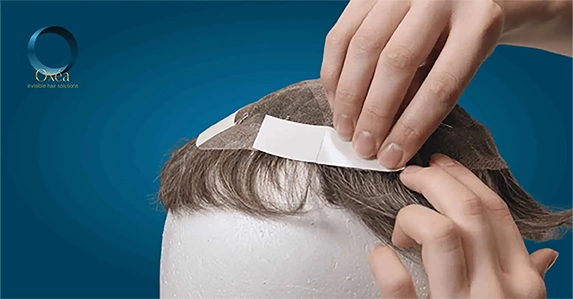
There are various methods to keep your hair system secure, including using a cap, clips, or speciality adhesives. To learn about all the options, including tapes and glues, you can read the full blog post here.
To keep your hair system from tangling, regularly brush it gently with a wide-tooth comb or hair-system brush, starting from the ends and working your way up. It’s also helpful to store it on a stand when you’re not wearing it.
To dry a hair system quickly without heat, gently blot it with a microfibre towel to remove excess water, then place it on a stand and use a fan to circulate cool air around it.
Conclusion
A well-cared-for hair system lasts longer, looks better, and feels like it’s truly yours.
At Oxea London, we bring expertise to every detail, from density and texture to guiding you towards storage and styling. If you’re ready to get the fit and feel just right, book a free consultation now!
Author Profile
Megan Brooks
Megan Brooks is a Certified Trichologist at Oxea Invisible Hair Solutions with over 21 years of Unbeatable experience. Throughout her remarkable career, she has successfully completed an impressive 8000+ hair replacement systems. Megan is dedicated to transforming lives and boosting self-confidence so that one can live with all the pride. She has served over 800 satisfied clients and still-counting, while helping them regain their natural appearance and feel their best.