Lace-front hair systems are becoming popular everywhere, but let’s be real—the removal process can be tricky.
Lace-front men’s & women’s hair systemshave become dominant because they instantly offer a soft, natural hairline. But the struggle with stubborn adhesive is all too real.
Many hair system wearers struggle with glue that won’t budge, leading to frustration and potential damage to the lace. As one expert quoted, “If only removing glue was as easy as applying it!” The truth is that improper removal can lead to tears in the lace or even hair loss, making it essential to master this skill.
We are here to provide you with the ultimate guide on how to remove glue from a lace front hair system without damaging your precious hair system. Get ready to say goodbye to sticky situations.
Everything about Lace Front Hair system
Lace front hair systems have been a game-changer. They’ve completely transformed the hairpiece world with their ability to create an incredibly natural-looking, practically invisible hairline. Let us see what more it has to offer;
1) What is a front lace hair system?
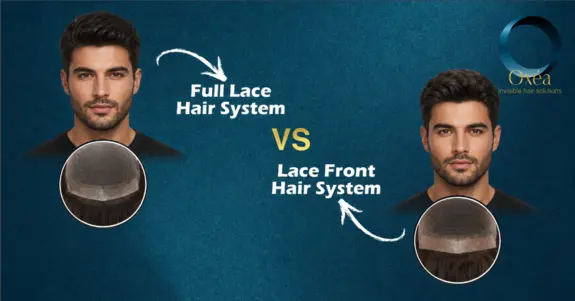
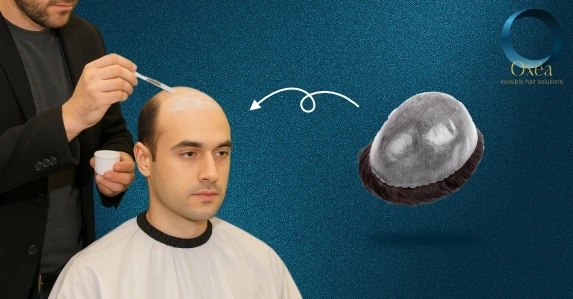
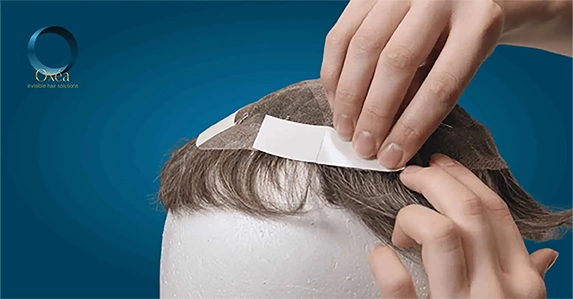
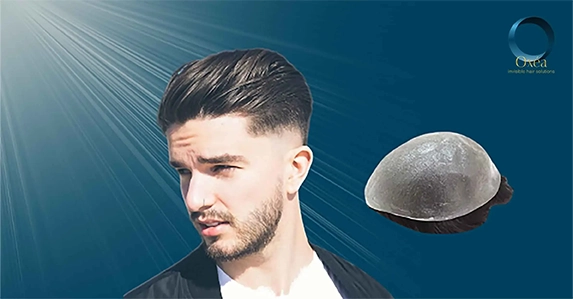
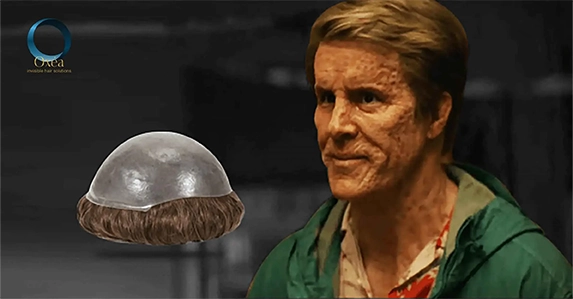
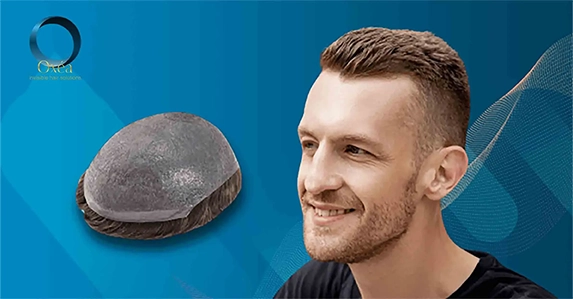
A lace-front hair system is a type of hair system that consists of sheer lace material at the front, where individual hairs are hand-tied to create a natural-looking hairline.
This design allows the hair system to blend effortlessly with your skin, giving the illusion that hair is growing from the scalp itself, which is essential to keep a hair system on the head.
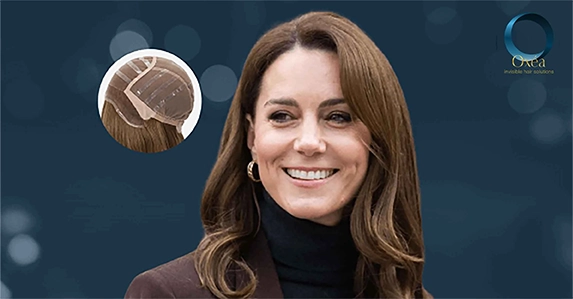
Conversely, celebrities like Maya Jama and Jodie Comer have embraced lace-front hair system, showcasing their versatility and style on various platforms.
2) How are lace front hair systems made?
Lace front hair systems are made by hand-tying individual strands of hair to a sheer lace base, which creates a natural-looking hairline.
This process involves using a special tool called a “ventilating needle” to secure the hair strands into the lace, allowing for a smooth & natural blend with the wearer’s scalp.
The lace front typically extends from ear to ear, providing the illusion that hair is growing directly from the scalp.
Creating a lace-front hair system is a long process that takes 12 to 30 hours to complete.
Again, this timeframe can change significantly based on many factors, including the complexity of the design, the type of hair used, and the skill level of the hair system maker.
3) What are the benefits of a lace front hair system?
According to Google Trend Data, there has been a noticeable increase in search interest for lace-front hair systems in the UK over the past five years.
Lace front hair systems create a smooth, realistic hairline replicating natural growth.
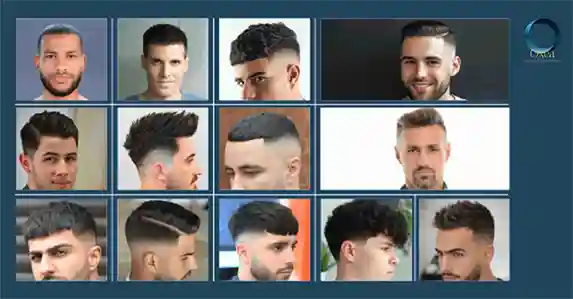
They can be styled in various ways, allowing for creative expression & freedom.
The lace material provides excellent airflow, making them comfortable for longer periods.
High-quality lace front hair systems are made to last, (with) proper care extending their lifespan.
Wearing a lace front hair system can instantly uplift self-esteem, especially for those experiencing hair loss.
The lightweight design of lace front hair systems ensures comfort, even in warmer weather.
Celebrities approved for a glamorous, red carpet-ready look; lace front hair systems offer a convenient and effective solution.
Lace front hair systems are highly effective in concealing hair loss due to their unique construction and natural appearance.
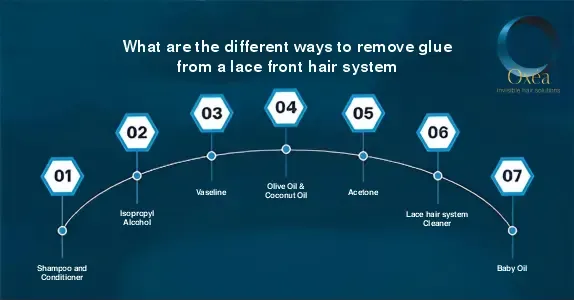
What are the different ways to remove glue from a lace front hair system?
WAY 1 : Shampoo and Conditioner
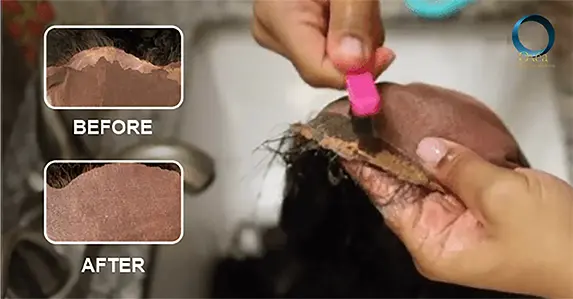
This gentle approach is ideal for all those with sensitive skin. Apply a small amount of shampoo or conditioner to the lace, let it sit for a few minutes, gently scrub it with a soft toothbrush, and rinse thoroughly to complete the process.
WAY 2 : Isopropyl Alcohol
Isopropyl alcohol can dissolve the glue. Take the Isopropyl on a cotton pad and gently dab the lace. Be careful, as alcohol can dry out the lace.
Question people ask - Will isopropyl alcohol damage my hair system?
Answer – While it’s generally safe, avoid excessive use as it can dry out the lace. Always follow up with a conditioner to restore the moisture.
WAY 3 : Lace Cleaner
Lace cleaners are designed specifically for hair systems, and they can be a lifesaver and deliver the desired results. For best results, remember to follow the product instructions.
WAY 4 : Olive or Coconut Oil
These natural oils can soften the glue, making it easier to remove. Take a small amount, let it sit on your hair system, and then wipe it away with a soft cloth.
WAY 5 : Acetone (Nail Polish Remover)
Use it in a very small amount and consider this method your last resort. Apply the acetone to the cotton pad, but be prepared to wash the hair system thoroughly afterwards.
Caution: Acetone is strong and can damage the lace.
WAY 6 : Vaseline
Vaseline is soft and not harmful to the hair system. It can also help break down the glue. Apply a thin layer, let it sit, and gently wipe away.
WAY 7 : Baby Oil
Similar to olive oil, baby oil can soften the glue. Take a small amount, let it sit for a moment, and then remove it with a soft cloth.
Tip: Always test any product on a small, inconspicuous area of the hair system before applying it to the entire lace. Remember, patience is the key!
Conclusion
The more you care for your hair system, the more confident you’ll feel wearing it. So, gather the perfect knowledge on which method works best, examine the advantages and disadvantages of each method, and make the process enjoyable!
If you ever need expert guidance on how to care for your hair system properly, look no further than Oxea in London.
Author Profile
Megan Brooks
Megan Brooks is a Certified Trichologist at Oxea Invisible Hair Solutions with over 21 years of Unbeatable experience. Throughout her remarkable career, she has successfully completed an impressive 8000+ hair replacement systems. Megan is dedicated to transforming lives and boosting self-confidence so that one can live with all the pride. She has served over 800 satisfied clients and still-counting, while helping them regain their natural appearance and feel their best.