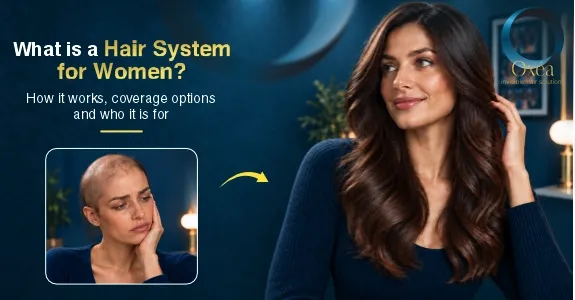
A hair system for women is a non-surgical option for covering thinning hair or hair loss. It’s made up of a base with hair attached, fitted to the scalp using a method suited to the wearer’s needs, and it can be tailored to cover anything from a widening parting to more extensive thinning.
It’s often considered by women experiencing female-pattern hair loss, alopecia, or general thinning, though it isn’t the right fit for everyone, and it isn’t a medical treatment. This guide walks through how hair systems work, the types and coverage options available, how natural they can look, and what’s worth thinking about before choosing one.
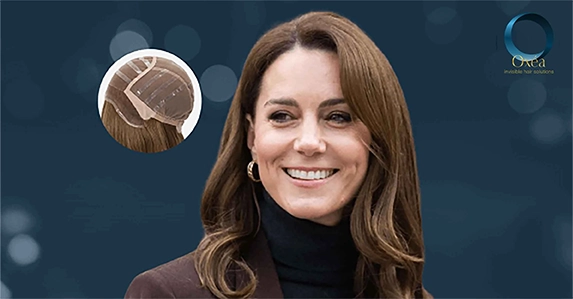
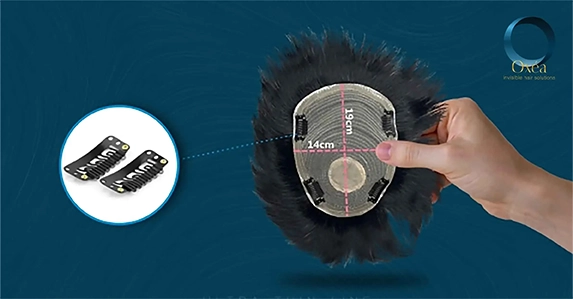
A hair system for women is a non-surgical hair replacement solution consisting of a base with hair attached to it. The base is designed to sit against the scalp or integrate with the wearer’s existing hair, depending on the system. It may be made from materials such as lace, polyurethane or monofilament.
Hair systems can be designed for different levels of coverage:
Although both wigs and hair systems are used for non-surgical hair replacement, they are not necessarily designed in the same way.
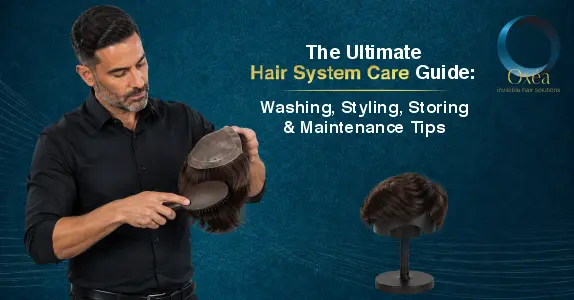
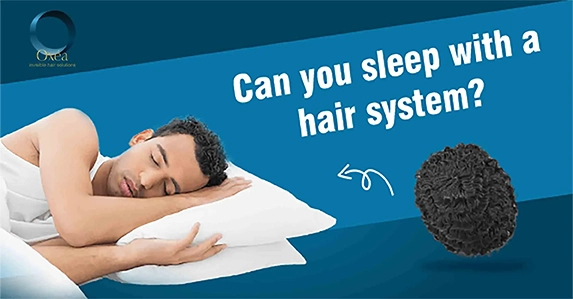
A wig generally covers the head and may be designed for daily removal or occasional wear. A hair system, on the other hand, is often designed to attach to the scalp or existing hair and may be worn for an extended period, depending on its construction, attachment method and maintenance requirements.
The distinction is not absolute: some wigs are designed for secure, extended wear, and some hair systems are removable. The key differences are usually the coverage, attachment, construction and intended wearing method.
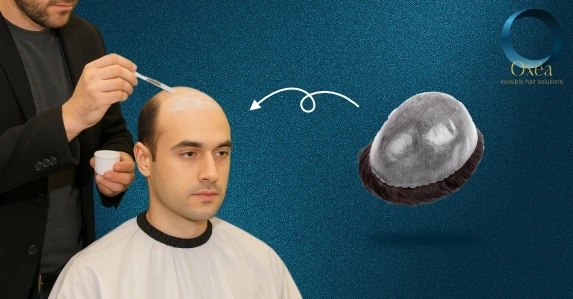
The process generally involves the following steps:
Women’s hair systems are available in several designs. The most suitable type depends on the location and extent of thinning, the amount of existing hair and the level of coverage required.
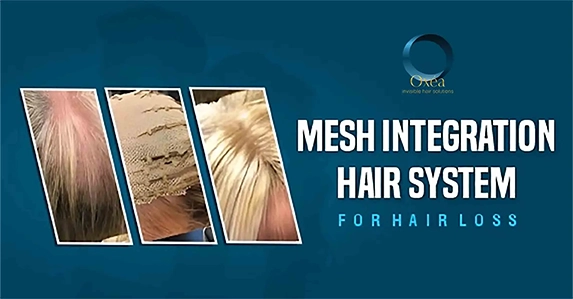
Integration systems are designed to add hair density while working with existing hair. They may be considered when hair is thinning across a broader area but sufficient natural hair remains for the system to be integrated or supported.
These systems can be useful for creating the appearance of fuller hair without necessarily covering the entire scalp.
A hair topper is a partial hair replacement system designed to cover a specific area, commonly the crown or top of the scalp.
It may be suitable for women experiencing:
Targeted hair patches are smaller systems designed to cover a specific area of hair loss. They may be considered when thinning or hair loss is concentrated in a localised region.
The size and shape of the patch should correspond to the area requiring coverage. A professional assessment can help determine whether a targeted patch or a larger system is more appropriate.
Fuller-coverage systems are designed to cover a larger portion of the scalp. They may be considered when hair loss is more extensive or when a wearer wants coverage beyond a single thinning area.
The construction, attachment method and suitability will depend on the individual’s scalp, remaining hair and desired wearing routine.
Coverage should be based on where hair loss is occurring, rather than simply choosing the largest or smallest system.
| Area of concern | Coverage option | Best suited for |
|---|---|---|
| Parting or crown | Full hair system | A widening or visibly reduced-density parting |
| Hairline | Specialised partial system | Localised reduction in hairline density |
| Top or central scalp | Larger topper or integration system | Reduced density across the upper scalp |
The right coverage depends on the pattern of hair loss, the amount of natural hair available for blending and the desired result. A system intended for crown thinning may not provide sufficient coverage for extensive scalp hair loss.
Key takeaway: Coverage should follow the pattern of hair loss. A well-fitted partial system may be appropriate for localised thinning, while more extensive hair loss may require a different construction.
A women’s hair system may be considered by people experiencing different forms of hair thinning or hair loss. However, suitability depends on the underlying condition, scalp health, existing hair and preferred attachment method.
Hair systems may be considered in situations such as:
Female-pattern hair loss commonly involves gradual thinning around the central scalp or widening of the parting. A partial system or topper may help create the appearance of greater density in affected areas.
Diffuse thinning involves reduced hair density across a broader area rather than one clearly defined patch. Depending on the extent of thinning, an integration system or larger-coverage option may be considered.
Alopecia is a general term for hair loss and includes several different conditions. Some forms may involve localised patches, while others can cause more extensive hair loss.
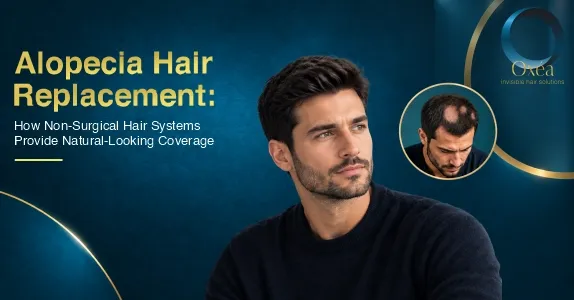
An Alopecia Hair Replacement System may provide coverage for certain patterns of alopecia, but the appropriate option depends on the condition, scalp sensitivity, remaining hair and attachment requirements.
When hair loss is concentrated in one area, a targeted patch or partial system may be considered. The appropriate design depends on the size and location of the area affected.
Some women may choose a hair system because they want a non-surgical option that can be customised to their preferred coverage, hair colour, texture and styling needs.
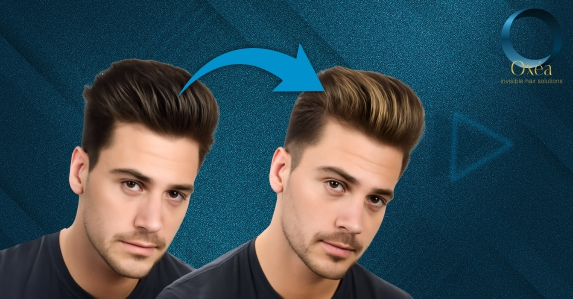
A well-selected and properly fitted hair system can create a natural-looking appearance. However, the result depends on more than the quality of the hair itself.
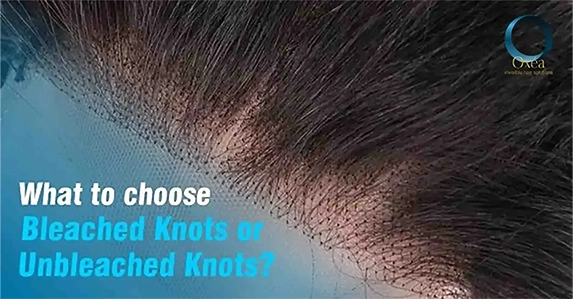
The hairline is one of the most visible areas. A suitable hairline design, appropriate density and careful blending can help reduce the appearance of an obvious transition.
Excessive density can make a system look less consistent with the wearer’s natural hair. Matching the density to the surrounding hair is often important for a believable result.
The system should be matched to the wearer’s hair colour, including relevant variations such as highlights, lowlights or natural tonal differences where needed.
Straight, wavy and curly hair behave differently. Matching the texture and styling direction can help the system blend more naturally with existing hair.
The base material, construction and positioning can influence how the system appears at the parting or other visible areas. The choice should balance the desired appearance with comfort and maintenance needs.
Key takeaway: Natural-looking hair replacement is about consistency. The closer the system matches the wearer’s hair colour, texture, density and styling pattern, the more cohesive the overall result is likely to appear.
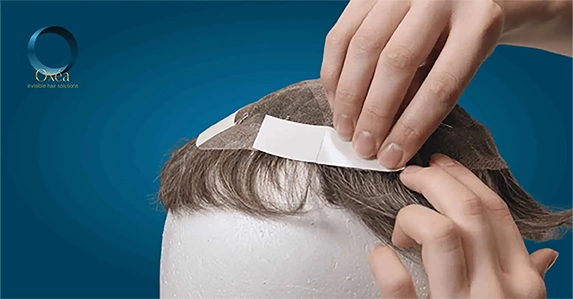
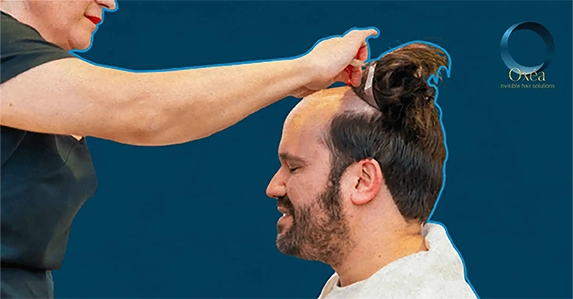
The fitting process varies according to the system design, the amount of existing hair and the chosen attachment method. A specialist consultation is useful for determining how the system should be positioned, secured and maintained.
A fitting may involve:
Depending on the system and the wearer’s circumstances, attachment may involve:
Not every attachment method is suitable for every person. Scalp sensitivity, existing hair condition, the system’s construction and the intended wearing routine should all be considered.
Maintenance requirements vary, but may include:
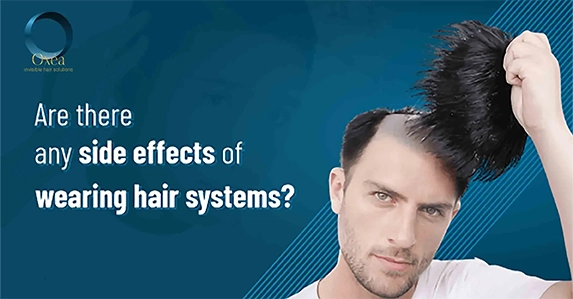
The risk depends on factors such as the attachment method, tension, adhesive use, fitting, removal process and maintenance routine. Improper attachment or removal, excessive tension or poor maintenance may contribute to hair or scalp problems.
A professional assessment is particularly important when existing hair is fragile, the scalp is sensitive or hair loss is ongoing.
Before choosing a women’s hair system, consider the following factors.
Identify whether thinning affects the parting, crown, hairline, central scalp or multiple areas. This helps determine the coverage and construction required.
Consider how much natural hair remains and whether it can be used for blending or attachment. Some systems are designed to work with existing hair, while others may provide more extensive coverage.
The base material and attachment method can affect comfort. If you have a sensitive scalp or a history of irritation, discuss suitable options with a specialist.
Think about how often you exercise, how you style your hair, whether you swim, how much time you can dedicate to maintenance and whether you prefer removable or extended-wear solutions.
Human hair and synthetic hair offer different styling and care characteristics. Your preferred hairstyle, heat-styling habits and desired finish should influence the choice.
Ask how frequently the system needs cleaning, adjustment, reattachment or replacement, and what ongoing care is involved.
A consultation can help ensure that the system is selected according to your coverage needs rather than based only on general product descriptions or photographs.
Key takeaway: Choosing a hair system is not only about selecting a base and hair colour. Coverage, attachment, comfort, maintenance and compatibility with your existing hair all influence the overall experience.
No. A hair system is a hair replacement option, not a treatment for the underlying cause of hair loss.
It can help conceal thinning or missing hair and create the appearance of greater coverage, but it does not cure alopecia, reverse female-pattern hair loss or guarantee hair regrowth.
The British Association of Dermatologists explains that female-pattern hair loss is a condition involving hair thinning and provides information about medical assessment and treatment options. The NHS also recommends seeking medical advice when concerned about hair loss, particularly when the cause is unclear.
If you are experiencing ongoing or unexplained hair loss, consider speaking with a qualified healthcare professional or dermatologist. A hair system and medical assessment are not mutually exclusive: someone may choose coverage while also exploring the cause and treatment of their hair loss.
Choosing a women’s hair system starts with understanding where your hair loss is occurring, how much coverage you need and what will work comfortably with your existing hair and lifestyle. The right system should balance coverage, fit, appearance and ongoing maintenance rather than simply focusing on hair type or base material.
At Oxea London, we help women explore non-surgical hair replacement options based on their individual hair loss pattern, styling preferences and everyday routine. If you are unsure which type of system may suit you, book your free consultation to discuss your options with our team.
Not exactly. A wig generally covers the head and may be designed for daily removal or occasional wear. A hair system is often designed for more targeted coverage and may attach to the scalp or existing hair for extended wear. However, construction and wearing methods vary, so the distinction is not absolute.
Yes. Many partial systems, toppers and integration systems are designed to work with existing hair. The suitability depends on the amount, condition and location of the remaining hair, as well as the attachment method.
It can depend on how it is fitted, attached, removed and maintained. Excessive tension, unsuitable attachment methods or poor maintenance may increase the risk of hair or scalp problems. Professional fitting and appropriate care can help reduce these risks.
A hair system can look very natural when its colour, texture, density, hair direction, base and coverage are appropriately matched. The quality of fitting and blending also plays an important role, especially around visible areas such as the hairline and parting.
A hair system may provide cosmetic coverage for some forms of alopecia, but suitability depends on the type and extent of hair loss, scalp condition, remaining hair and attachment requirements. A specialist consultation can help identify appropriate options.
Yes, hair systems are commonly considered for different patterns of thinning, including reduced density around the parting, crown or central scalp. The appropriate type depends on the extent and location of thinning.
The lifespan varies according to the base material, hair type, frequency of wear, attachment method, maintenance and handling. Rather than relying on a universal timeframe, ask the provider about the expected lifespan of the specific system and its maintenance requirements.

Megan Brooks is a Certified Trichologist at Oxea Invisible Hair Solutions with over 21 years of Unbeatable experience. Throughout her remarkable career, she has successfully completed an impressive 8000+ hair replacement systems. Megan is dedicated to transforming lives and boosting self-confidence so that one can live with all the pride. She has served over 800 satisfied clients and still-counting, while helping them regain their natural appearance and feel their best.