Wearing a hair system should feel comfortable, secure and natural throughout your daily routine. Over time, however, the adhesive holding your system in place can begin to weaken, making regular rebonding an important part of maintenance.
So, how often should you book your next rebonding appointment? The answer depends on your hair replacement system, attachment method, scalp condition and lifestyle. Understanding these factors can help you plan your appointments and recognise when your system needs attention.
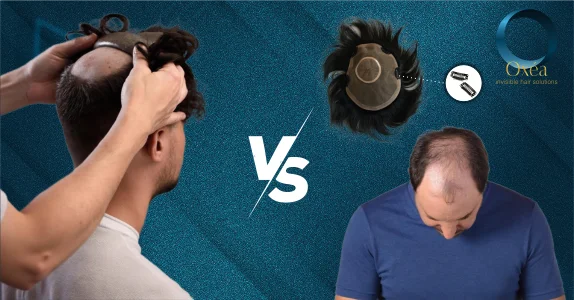
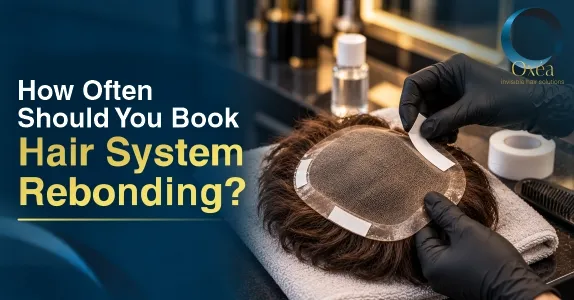
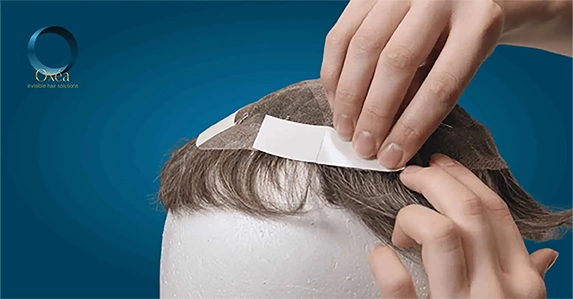
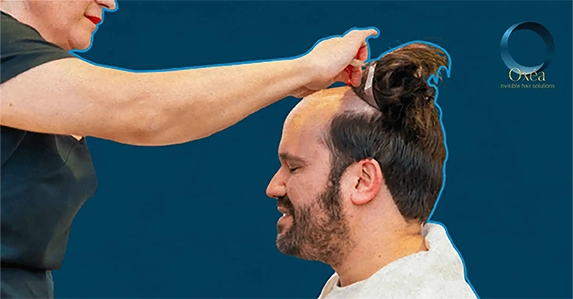
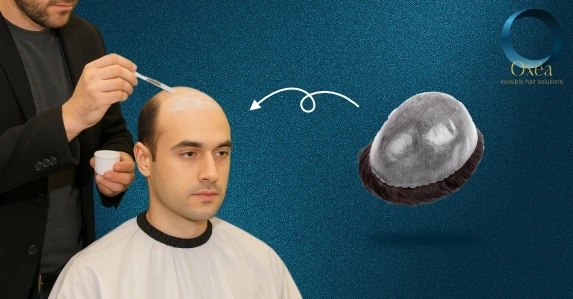
Hair system rebonding is the process of removing your existing hair system, cleaning away old adhesive, and reattaching it using fresh glue or tape.
Over time, natural scalp oils, sweat, and everyday activities can gradually weaken the adhesive holding your hair system in place.
Rebonding helps restore the attachment without requiring you to replace a hair system that is still in good condition.

Rebonding and replacement serve different purposes. Rebonding involves cleaning and reattaching your existing hair system with fresh adhesive, while replacement means fitting a new system when your current one is no longer suitable for continued use.
Here’s how they differ:
| Maintenance Type | What Happens? | Average Timeframe |
|---|---|---|
| Rebonding | Your existing system is cleaned and reattached. | Often every 3–4 weeks for many bonded systems, depending on individual needs. |
| Replacement | Your existing hair system is replaced with a new one. | May be needed after several months, depending on system quality, condition and care. |
A loose attachment does not automatically mean you need a new hair system. If the system remains in good condition, rebonding may be sufficient.
Your ideal hair system rebonding schedule depends on how well the attachment holds up between appointments. Scalp condition, daily activities, the type of hair system and natural hair growth can all influence when you need a refit.
Yes. Natural scalp oils and perspiration can affect how long your adhesive remains secure. If you have an oily scalp, exercise regularly, swim, or spend long periods outdoors in warm weather, you may notice the attachment loosening sooner.
Your routine does not necessarily need to change. Instead, discuss your activities and maintenance needs with your hair system specialist to establish a suitable appointment schedule.
A consistent hair system care and maintenance routine can also help you manage your system properly between professional appointments.
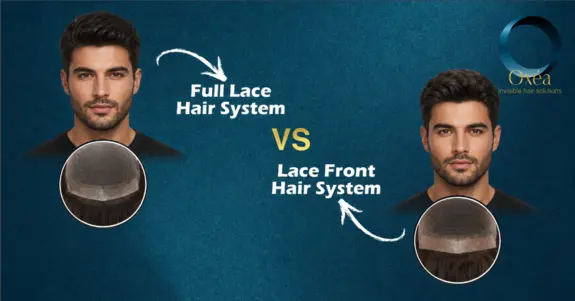
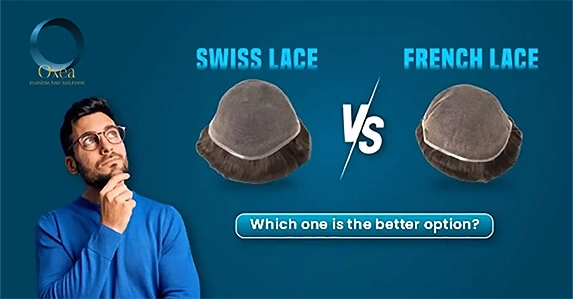
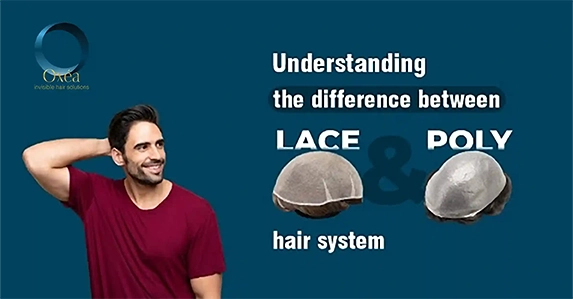
Yes. Different base materials and attachment methods have different maintenance requirements.
For example:
Yes. Your natural hair continues to grow while the hair in your system stays the same length. This can affect how neatly the system blends with your existing hair, particularly around the sides and back.
You may need a trim or styling adjustment to maintain a natural appearance, even if the attachment remains secure. This is a separate consideration from whether the adhesive itself needs to be refreshed.
For most people wearing a longer-wear bonded hair system, rebonding every 3–4 weeks is a useful starting point. However, some may need an appointment sooner, sometimes within 1–2 weeks, depending on the adhesive used, scalp condition and daily activities.
Rather than relying on a fixed schedule alone, pay attention to how your system performs between appointments. If you notice the attachment loosening earlier than expected, speak with the hair system specialist about whether you need an earlier refit or a change to your maintenance routine.
Your specialist can recommend an interval based on your system and how well the attachment holds up over time.
Your hair system may show signs that its attachment needs attention before your next scheduled appointment.
Look out for the following changes:
If you experience persistent redness, itching or irritation, contact your specialist rather than assuming that rebonding alone will resolve the problem.
Also Read: Tips for Maintaining Your Hair System and Extending its Lifespan
Yes, sometimes. If only a small section of your hairline has lifted and the rest of your system remains secure, your specialist may be able to reattach that area without removing the entire hair system.
However, if several edges are lifting or adhesive has built up, a complete refit may be necessary.
Avoid applying fresh adhesive over old residue, as this can affect how securely your system stays attached. It’s better to have the affected area checked before deciding whether a touch-up or full refit is needed.
Finding the right rebonding schedule is important for maintaining your hair system. Leaving an attachment unattended for too long can allow adhesive to deteriorate and residue to accumulate. On the other hand, unnecessary removal and reattachment can put additional stress on delicate base materials and may irritate your scalp.
| Rebonding too late | Rebonding too often |
|---|---|
| The attachment may become less secure. | Frequent removal may put extra stress on system bases. |
| Adhesive residue may become more difficult to remove. | Repeated adhesive removal and application may irritate sensitive skin. |
| You may need an earlier assessment or more extensive maintenance. | Unnecessary maintenance may increase wear and tear. |
A professional rebonding appointment involves removing, cleaning and reattaching your existing hair system. Your specialist can also assess the system’s condition and check for any attachment or scalp concerns.
Here’s what typically happens during the appointment:
Your appointment is also a good opportunity to discuss any issues you have experienced between visits. Sharing when the attachment began to loosen can help your specialist assess whether your maintenance schedule needs adjusting.
Planning your rebonding appointment in advance can help you fit maintenance around work, travel and other commitments.
A few simple things can help you decide when to book:
Oxea London provides hair system services at its West Kensington and City of London studios. Contact the team to discuss your rebonding needs and arrange an appointment at a convenient location.
Hair system rebonding is an important part of maintaining a secure and comfortable attachment. While every 3–4 weeks is a common starting point for many bonded systems, your ideal schedule depends on your system, adhesive and individual maintenance needs.
At Oxea London, our specialists can assess your hair system and recommend a suitable rebonding schedule at our West Kensington or City of London studios.
Ready to book your next appointment? Contact Oxea London to discuss your hair system rebonding needs.
Megan Brooks is a Certified Trichologist at Oxea Invisible Hair Solutions with over 21 years of Unbeatable experience. Throughout her remarkable career, she has successfully completed an impressive 8000+ hair replacement systems. Megan is dedicated to transforming lives and boosting self-confidence so that one can live with all the pride. She has served over 800 satisfied clients and still-counting, while helping them regain their natural appearance and feel their best.