Alopecia Hair Replacement: How Non-Surgical Hair Systems Provide Natural-Looking Coverage
Written by
Megan Brooks
Last modified
SHARE ON
Table of Contents
Contact our specialists now for Hair Replacement!
Share this article
Introduction
Losing hair to alopecia can feel very different from watching it thin gradually over the years. It can be sudden, patchy or unpredictable, and it often raises a different question altogether: not just what’s causing it, but what can actually be done about how it looks right now, while a diagnosis or a treatment plan is still taking shape.
A non-surgical hair system is one answer to that second question, and for many people it’s the fastest one, because it doesn’t ask you to wait for anything to settle before you can look and feel like yourself again.
This guide covers how your pattern of hair loss shapes the coverage you need, how natural a hair system can look, and what to expect at a consultation and fitting.
Quick Summary
For most forms of alopecia, a professionally fitted non-surgical hair system is the fastest way to get natural-looking coverage, because it doesn't require your hair loss to stabilise first and can be matched to your exact colour, texture and density. At Oxea London, that assessment is led by a certified trichologist, so the system is chosen around your specific pattern of hair loss rather than a one-size-fits-all product.
What Is Alopecia Hair Replacement?
Alopecia hair replacement is a way of covering hair loss using a hair system fitted over the affected part of the scalp. Unlike a standard one-size-fits-all piece, the coverage can be selected according to where your hair loss occurs and how much natural hair you still have.
Someone with one or more patches may need a very different system from someone who has lost most or all of their scalp hair.
Hair replacement can therefore range from smaller, targeted coverage to a larger hair system covering most of the scalp.
The important distinction is that a hair system changes the appearance of hair loss. It does not treat the underlying condition causing it.
The NHS advises people who are concerned about hair loss to speak to a GP to understand what may be causing it before approaching a commercial hair clinic.
Who Can Consider a Hair System for Alopecia?
Hair replacement may be considered by people experiencing:
Small or irregular areas of hair loss
Hair loss around the front or hairline
Diffuse loss across a larger area
Significant loss across the top of the scalp
Extensive or complete scalp hair loss
Alopecia areata, for example, can appear as small patches but may also affect larger areas or the entire scalp.
What matters from a hair replacement perspective is not simply the name of the condition. It is where the hair is missing, how much coverage is required and what natural hair remains around it.
Does the Type and Pattern of Alopecia Affect the Hair Replacement You Need?
Yes. Your hair-loss pattern (alopeica types) is one of the most important factors when choosing a system, and the pattern matters more than the label when it comes to choosing a system.
Type
What It Typically Looks Like
What This Means for Your System
Alopecia areata
Patchy hair loss in one or more areas
Often suits a partial system matched to the affected area, blended into your remaining hair
Alopecia totalis
Complete scalp hair loss
Usually needs full-scalp coverage
Alopecia universalis
Loss of scalp and body hair
Full-coverage system, with base comfort and breathability a priority
Traction alopecia
Hairline recession from tight or repeated styling tension
A frontal or hairline-focused system, once the styling habit causing it has stopped
Scarring (cicatricial) alopecia
Permanent, localised follicle loss with scarring
Base and attachment method need sign-off from a GP or dermatologist first
What If Your Hair Loss Pattern Is Still Changing?
This is important with conditions such as alopecia areata because the location and extent of hair loss can change over time. The British Association of Dermatologists notes that it is not possible to predict exactly how much hair loss alopecia areata will cause, and new patches may occur in the future.
That does not automatically rule out hair replacement, but it means the system may need to be reassessed as your hair changes.
If an affected area becomes larger, new patches appear or natural hair begins growing back, the coverage, attachment or blending may need adjusting.
That is one reason an alopecia hair replacement system should not be treated as a one-time decision that never needs reviewing.
How Can a Non-Surgical Hair System Help With Alopecia?
A non-surgical hair system can provide visible coverage without requiring a surgical procedure or waiting for hair to grow.
Depending on the individual, it may provide:
Coverage exactly where hair has been lost
An immediate visible change
Partial or wider scalp coverage
A customised hairline
Control over density and hairstyle
Colour and texture matching
Blending with remaining natural hair
For someone considering a non-surgical hair replacement system in London, the important part is choosing the system around the actual pattern of hair loss rather than choosing a standard piece first and trying to make it fit afterwards.
The system can also be adapted to your preferred appearance. Some people want to recreate the hair they had before alopecia; others use the opportunity to choose a slightly different style.
Explore natural-looking coverage designed around your individual hair loss pattern.
How Does a Hair System Compare to Medical or Surgical Options?
Hair replacement and alopecia treatment have different purposes.
Medical treatment aims to manage the condition or encourage hair regrowth where appropriate. A hair system provides cosmetic coverage for the hair that is currently missing.
One does not necessarily replace the other.
Someone may choose hair replacement while investigating their hair loss, during treatment or when they simply want reliable coverage regardless of whether regrowth occurs.
If you are receiving medical treatment, decisions about that treatment should remain between you and your healthcare professional.
Will an Alopecia Hair Replacement System Look Natural?
It can, but simply adding more hair is not what creates a natural result.
A believable hair system comes from getting several smaller details right together: hairline, density, colour, texture, direction, fit and blending.
This is particularly important with alopecia because one person may need only a small area replaced while another needs coverage across most of the scalp.
What Makes the Hairline Look Natural?
The hairline is one of the first areas people notice.
A natural hairline should suit your face and should not look excessively dense or perfectly uniform. Natural hairlines usually have subtle differences in density and direction rather than forming one solid line of hair.
The base used at the front can also influence how visible the transition between scalp and hair appears.
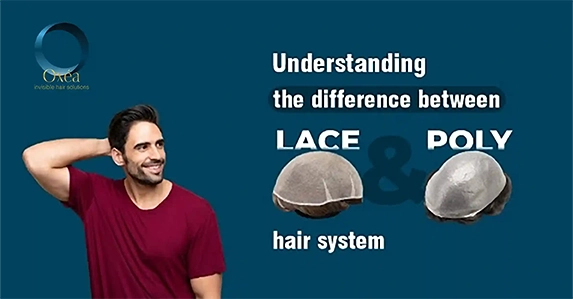
Rather than going deeply into different materials here, our lace vs poly hair system guide explains how different bases affect appearance, breathability and durability.
How Are Hair Colour, Texture and Density Matched?
Colour is only one part of matching a hair system.
The replacement hair should also work with:
Natural texture
Curl or wave pattern
Hair thickness
Density
Length
Direction of growth
Preferred hairstyle
Density deserves particular attention.
Putting very dense hair next to naturally finer hair can make the system more noticeable, even when the colour match is excellent. The goal is normally to create enough coverage without making the hair look heavier than it naturally would.
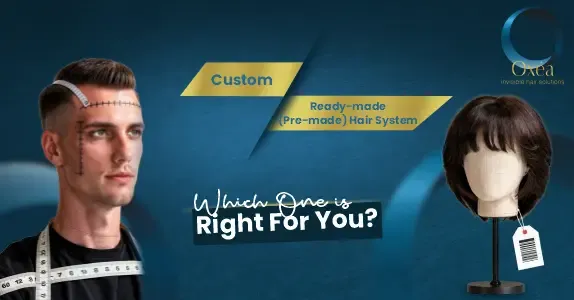
When deciding how personalised the system needs to be, our guide to custom vs ready-made hair systems explains the differences in fit, density and customisation.
How Is the Hair System Blended When You Still Have Natural Hair?
With partial alopecia, blending is often as important as the system itself.
The replacement hair needs to meet the surrounding natural hair without creating an obvious change in:
Colour
Density
Length
Texture
Hair direction
The final haircut plays an important role here.
Rather than treating the system and your own hair as two separate things, they should be cut and styled together so the transition becomes difficult to identify.
This is why patchy hair loss often requires more precision than simply covering the entire scalp.
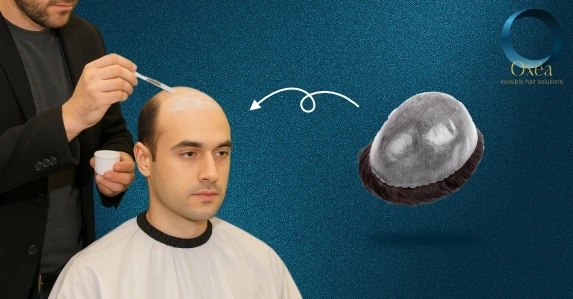
How Is a Hair System Fitted When You Have Alopecia?
The fitting begins with the hair loss, not with the hair system.
A specialist will normally need to assess:
Where the hair has been lost
How large the affected area is
How much natural hair remains
The condition of the scalp
The shape of the required coverage
Your preferred hairline and density
Hair colour and texture
How you intend to wear and maintain the system
Once these details are understood, the system can be fitted, cut and styled around you.
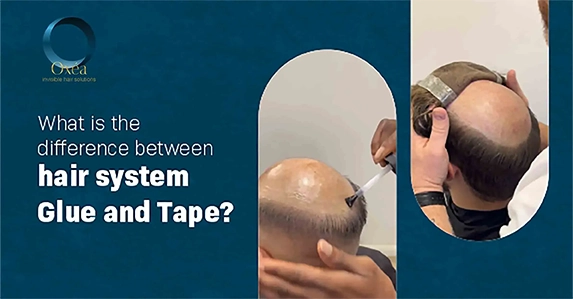
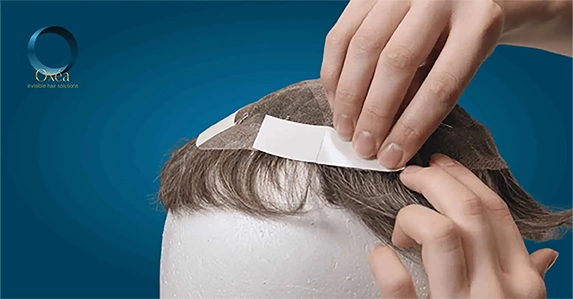
Different attachment methods may also be considered depending on the system and scalp. Oxea’s guide to hair system glue vs tape explains the differences in more detail, so there is no need to choose an attachment method before your consultation.
Get your coverage, hairline and fit assessed properly before choosing a system.
Do not ignore what is happening underneath the hair system.
If your scalp is sore, inflamed, unusually sensitive or has unexplained changes, it should be assessed before deciding how a system will be attached.
A comfortable result depends on more than how the finished hair looks. The base and attachment method also need to work with your scalp and how you plan to wear the system.
Can You Wear a Hair System While Your Alopecia Is Changing or Being Treated?
Potentially, yes, but your specialist should know what is happening with your hair and scalp.
Tell them if:
New areas of hair loss have appeared
Existing patches are becoming larger
Hair has started growing back
Your scalp has become sensitive
You are experiencing irritation
Your healthcare professional has given you instructions that may affect your scalp or hair
This helps avoid designing a system around a hair-loss pattern that has already changed.
If you are undergoing medical treatment, your healthcare professional should guide the treatment itself. Your hair replacement specialist can then work around the current condition of your hair and scalp.
What Is Everyday Life Like With an Alopecia Hair System?
A well-fitted system is meant to become part of your daily routine rather than something you think about constantly. Proper hair system care and maintenance can help it continue to look and feel its best between appointments.
How Do You Know Which Alopecia Hair Replacement System Is Right for You?
There is no single alopecia hair system that works for everyone.
Start with the practical questions:
Where is your hair loss?
How much scalp needs covering?
Is the affected area stable or changing?
How much natural hair remains?
Does your scalp have any sensitivity?
What density looks appropriate for you?
What colour and texture do you want?
How active is your lifestyle?
How much maintenance are you comfortable with?
These factors matter more than choosing a system because someone else with alopecia wears the same one.
The consultation should help turn those answers into the right combination of coverage, hairline, density, base and fitting method.
At Oxea London, we provide customised non-surgical hair replacement from our London studios. If you are considering alopecia hair replacement, a consultation allows you to discuss your hair-loss pattern, the coverage you need and the type of result you want.
Choose a hair system that fits into your everyday life, not around it.
Alopecia does not create the same pattern of hair loss for everyone, so hair replacement should not be approached as a one-size-fits-all solution.
Someone with one small patch, frontal loss and someone with extensive scalp hair loss may all need very different types of coverage.
The most natural-looking result comes from matching the system to where your hair has been lost, how much natural hair remains and what your own hair would realistically look like. Hairline, density, colour, texture and blending all matter.
If you are exploring alopecia hair replacement and want to understand what level of coverage would suit your hair loss,contact Oxea London for a consultation.
Yes. Hair replacement can be designed according to the individual’s hair-loss pattern, desired coverage, hairline, colour, texture and style rather than gender alone.
A hair system is generally designed around a specific area of hair loss and may be integrated or attached for extended wear. A wig usually covers the whole scalp and is commonly designed to be removed and reapplied by the wearer.
Natural hair around a system can continue growing. If you are experiencing regrowth in an area that forms part of the system’s coverage, the fitting may need to be reassessed so the system continues to fit comfortably and blend correctly.
It may still be possible, but changes in the size or location of hair loss can affect the coverage you need. Regular reassessment becomes more important when your hair-loss pattern is changing.
There is no single schedule that applies to everyone. Maintenance depends on the system, attachment method, scalp, lifestyle and how frequently the system is worn.
Author Profile
Megan Brooks
Megan Brooks is a Certified Trichologist at Oxea Invisible Hair Solutions with over 21 years of Unbeatable experience. Throughout her remarkable career, she has successfully completed an impressive 8000+ hair replacement systems. Megan is dedicated to transforming lives and boosting self-confidence so that one can live with all the pride. She has served over 800 satisfied clients and still-counting, while helping them regain their natural appearance and feel their best.