Men’s Hair System Styling Guide: Products and Tools to Use
Written by
Megan Brooks
Last modified
SHARE ON
Table of Contents
Contact our specialists now for Hair Replacement!
Share this article
Introduction
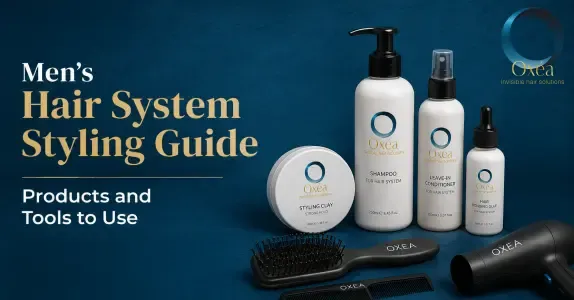
The right hair system styling products keep your system looking natural and undamaged: a soft-bristle loop brush or wide-tooth comb, a sulfate-free shampoo, a leave-in conditioner, and a light-hold styling cream or matte paste rather than anything alcohol-heavy.
The wrong ones can weaken the bond, dry out the fibres, or leave the system looking stiff and obviously artificial. This guide covers exactly what belongs in your kit, what to avoid, and how to style safely.
Quick Summary
A men's hair system stays looking natural with a soft loop brush or wide-tooth comb, sulfate-free shampoo, leave-in conditioner, and a light-hold cream, paste, or hairspray free from heavy alcohol and oils. Avoid alcohol-heavy or sulfate-rich formulas, as these dry out the hair and weaken the adhesive bond over time. A heat protectant and a low to medium setting make straighteners and dryers safe to use. Less product gives the most natural finish, especially around the hairline, where over-styling shows first.
Why Standard Hair Products Aren't Always Safe for a Hair System
What happens if you use the wrong product on your hair system?
Most everyday styling products are formulated for hair that grows from a scalp with its own natural oils to buffer against them.
A hair system doesn’t have that buffer. Alcohol-heavy gels and sprays can dry out the hair and the base material, while oil-rich formulas can break down the adhesive bond at the hairline over time. Neither shows up immediately.
The damage builds quietly, then turns up as lifting edges, brittle strands, or a system that needs replacing sooner than it should.
What makes a human hair system different to style?
A human hair system behaves much like your own hair once did, which means it tolerates a wider range of products and can take some heat styling.
That flexibility is exactly why it’s worth being deliberate about product choice: because more is possible, it’s easier to overdo it and cause the same slow damage that shows up as dryness, dullness, or a weakened bond.
The Essential Styling Toolkit
What tools do you actually need to style a hair system?
Keep the kit simple rather than reaching for whatever’s already in your bathroom cabinet.
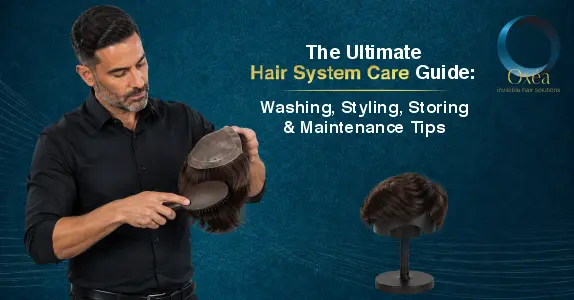
A soft loop brush or a wide-tooth comb prevents the snagging and pulling that ordinary brushes cause, particularly around a lace or thin skin base.
Beyond that, a small, considered product shelf goes further than a large one.
Product or tool
Purpose
Caution
Wide-tooth comb / loop brush
Detangling without pulling on the base
Always comb from the ends upward
Sulfate-free shampoo
Cleansing without stripping natural oils or bond adhesive
Avoid anything labelled clarifying or deep-cleansing
Leave-in conditioner
Softness and manageability between washes
Heavy, oil-rich formulas can loosen the bond if overused
Styling cream
Light hold and definition
Avoid alcohol-based creams
Matte paste
Structured, natural-looking hold for shorter styles
Wax-heavy pastes can build up and dull the hair over time
Strong-hold hairspray
All-day hold for finished styles
Choose a system-safe formula rather than a standard aerosol
Heat protectant
Reduces heat damage before styling
Apply before every heat tool use, without exception
Unsure which products are safe for your hair system?
Which Products Are Safe to Use, and Which to Avoid
Can you use normal gel or wax on a hair system?
In small amounts, yes. Standard gels and waxes are usually fine on a human hair system, but heavy application builds up at the base and is harder to clean out than it would be from hair growing directly from your own scalp.
A light layer, reapplied as needed, works better than one heavy application in the morning.
What ingredients should you avoid in hair system styling products?
Look out for high alcohol content, sulfates, and heavy oils. Alcohol dries out both the hair and the base material, sulfates can weaken bond adhesive with repeated washing, and oil-rich formulas soften the bond faster than expected.
If a product doesn’t specify it’s suitable for hair systems or hairpieces, treat that as a reason to check before using it rather than a reason to assume it’s fine.
Styling by System Type
Does a lace front, skin, or mono base change how you should style it?
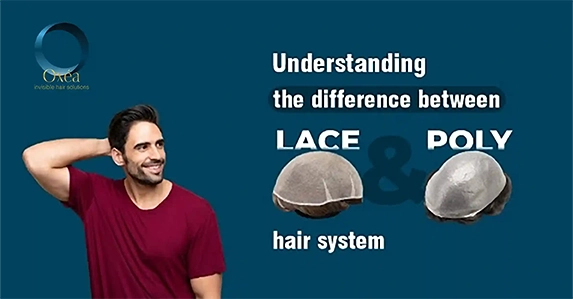
It does, mainly around the hairline. A lace front base is delicate and shows product build-up more visibly than other bases, so a lighter touch with styling cream or paste around the front hairline keeps it looking natural.
Skin and mono bases are generally more forgiving with everyday products but still benefit from the same avoid-alcohol, avoid-heavy-oil approach.
Can you use straighteners or a hair dryer on a hair system?
Yes, with a heat protectant applied first and a moderate setting. A human hair system responds to heat much like your own hair would, so the same care you’d take with natural hair applies here too.
What heat setting is safe for your hair system?
Keep styling tools on a low to medium setting, and always apply a heat protectant beforehand. Repeated high-heat styling shortens the life of any hair, system or otherwise, so treating heat as an occasional finishing step rather than a daily habit keeps the system looking better for longer.
For further detail on caring for your system day to day, see our hair system care guide.
Getting a Natural Look
How can you make a hair system look natural when styling it?
Less is usually more. Overloading a system with product is one of the fastest ways to make it look artificial, since it flattens the natural movement the hair should have.
Style with a light hand, work product through with your fingers rather than a heavy comb-through, and pay particular attention to the hairline, where a stiff, overly defined edge is the most common giveaway.
Get personalised advice based on your system type, hairstyle and daily routine.
Common Product Mistakes That Shorten a Hair System's Life
What's the most common styling mistake men make with a hair system?
Reaching for whatever is already in the bathroom, rather than checking whether it is system-safe, is one of the most common hair system mistakes.
Ordinary shampoo, gel, and hairspray are formulated for hair with a scalp’s natural oil production behind it, and using them without checking the label is the single most common way a system’s condition, and its lifespan, gets shortened faster than it needs to be.
Choosing the right products and tools makes a noticeable difference to how natural your hair system looks day to day, and to how long it lasts.
Since 2004, Oxea London has helped clients across West Kensington and the City of London get this right, and our team is always on hand if you’d rather have a conversation than guess. Book a consultation at either studio to talk through what’s best for your specific hair system.
Both approaches work, provided the products are confirmed suitable for your specific system. If you’re ever unsure, our team can talk you through what’s safe for your hair type and base material.
Megan Brooks is a Certified Trichologist at Oxea Invisible Hair Solutions with over 21 years of Unbeatable experience. Throughout her remarkable career, she has successfully completed an impressive 8000+ hair replacement systems. Megan is dedicated to transforming lives and boosting self-confidence so that one can live with all the pride. She has served over 800 satisfied clients and still-counting, while helping them regain their natural appearance and feel their best.