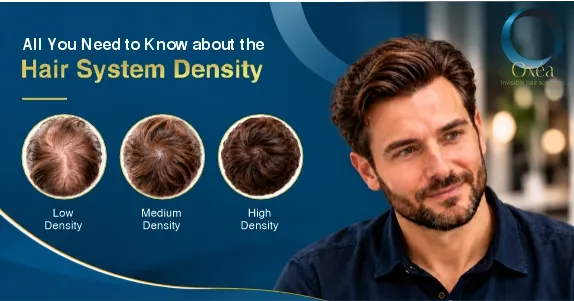
All You Need to Know about the Hair System Density
Written by
Megan Brooks
Last modified
SHARE ON
Table of Contents
Contact our specialists now for Hair Replacement!
Share this article
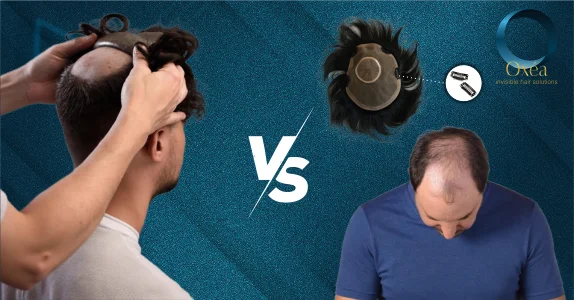
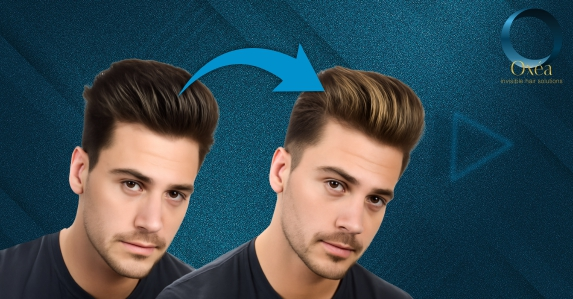
Hair system type – Checked. Hair colour – checked. Hair material – checked. Hair size – checked! Sorted? No! Missing something major, right? But what is it? Hair system density. From natural and subtle to bold and voluminous, the density of a hair system is a major component that cannot be missed. Hair system density is a key component in non-surgical hair replacement, influencing the way the hair looks.
Hair systems offer a convenient way to achieve a natural-looking hairstyle, but understand that the density of the hair strands can dramatically impact your overall style. Choosing the appropriate hair system density is essential for achieving a result that blends naturally with your existing hair.
This blog will be your go-to resource for everything you need to know about hair system density. Stay tuned and read till the end.
What Is Hair System Density?
Hair system density is defined as the amount of hair distributed across the base of a hair replacement system, determining how thick or thin the overall hair appears.
Hair system density is typically expressed in percentages, with lighter percentages indicating less hair and higher percentages indicating fuller coverage. However, density percentages can vary between manufacturers.
Example: A hair system with 100% density would mimic the natural density of human hair, while a system with 150% density would have 1.5 times the amount of hair.
Density is not only about thickness, but also about the richness your hair brings to your life.
What Is the Difference Between Hair Density and Hair Thickness?
Density and thickness refer to two different things. Learning the difference can help us understand how both terms stand apart from each other.
Key aspects
Hair density
Hair thickness
Definition
Hair density states for the number of hair strands present on the scalp per square inch.
Hair thickness refers to the width or diameter of an individual hair strand.
Measurement
Typically measured in percentages, it represents the amount of hair concerning the total scalp area.
Hair thickness is measured by the diameter of individual hair strands, usually in micrometres.
Appearance
Describes how much scalp is visible when hair is parted, with lower density indicating more visibility and higher density providing a fuller appearance.
Affects how the hair feels and looks, with fine hair appearing thinner, and thick hair having a thicker appearance.
Focus
Hair density revolves around the number of hairs present on the scalp, determining how full or sparse the hair appears.
Hair thickness is centered on the width of individual hair strands, influencing the texture and feel of the hair.
Classification
Hair system density is generally classified as light, medium or heavy.
Fine hair: below approximately 70 microns in diameter.
Medium hair: approximately 70 to 100 microns.
Coarse hair – above approximately 100 microns.
Why Does Hair System Density Matter?
Hair systems are a reliable option for non-surgical hair replacement, making it crucial to understand the importance of hair density and why it matters.
The right density ensures that the hair replacement system mimics the density of natural hair, creating a seamless and authentic look. Choosing the appropriate hair system density is very important for achieving the desired style and complementing the wearer’s overall personality.
Lower-density hair systems offer a more subtle and natural appearance, resembling fine or thin natural hair.
Medium-density hair systems strike a balance, providing fullness without appearing overly thick.
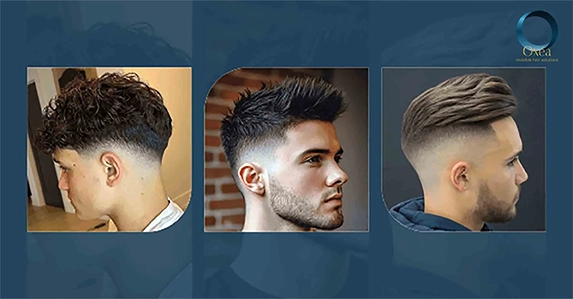
Higher-density hair systems, on the other hand, offer maximum volume and are preferred by those seeking a fuller hairstyle.
How Is Hair System Density Classified?
1. Light density (80% - 100%)
This density level offers a subtle and natural appearance, suitable for men who prefer a more discreet or conservative hairstyle. A light-density hair system mimics the natural look of fine or thin hair.
2. Medium density (100% - 120%)
Offering a balanced and versatile option, medium-density hair systems provide enough volume to achieve a fuller look without appearing overly thick. This is a popular choice for men seeking a classic and timeless hairstyle.
3. Heavy density (120% and above)
Heavy-density hair systems are designed for those who desire maximum volume and fullness in their hairstyle. This density level can create a bold and statement-making look, ideal for individuals with a more dramatic sense of style.
Note: These percentage ranges are general examples. Hair system density classifications may differ between manufacturers.
How to Choose the Best Hair System Density for You?
Choosing the right hair system density involves considering various factors to ensure a natural and personalised look.
Here’s a guide to help in the decision-making process:
Personal style and preferences
Subtle or Bold: Determine whether you prefer a subtle, natural look or a bolder, more voluminous hairstyle. Your style will guide the appropriate density choice.
Face Shape
Oval, Round, Square: Different face shapes complement varying hairstyles and densities. For instance, round faces may benefit from a bit more volume to add definition, while oval faces might suit a range of densities.
Lifestyle and Comfort
Consider your daily activities and how much maintenance you are willing to invest in styling. Lighter densities often require less styling effort, while heavier densities can offer a more structured look.
Hair Loss Pattern
Hairline and Crown: If your natural hair loss pattern is concentrated at the crown or receding hairline, choosing a density that mimics your remaining natural hair can provide a seamless transition.
Age Appropriate Styles
Young or Mature: Your age and desired aesthetic play a significant role. Hair density can naturally decrease with age, so choosing a density that matches your existing hair can help achieve a more natural appearance.
Occasion
Formal or Casual: Consider the occasions and settings where you’ll wear your hair system. Lighter densities are often suitable for everyday wear, while heavier densities may be chosen for fuller, more voluminous hairstyles.
Hair Type and Texture
Fine, Medium, or Coarse: Match the hair system density to your natural hair type and texture for a seamless blend. Fine hair may look more natural with lighter densities, while coarser hair may handle heavier densities well.
Consultation
Visit us and seek advice from our team. We will guide you towards the most suitable hair system density based on your natural hair, personal preferences and styling requirements.
How to Take Care of Different Different Hair System Densities?
Handling and Storage
Light-Density Hair Systems: Handle with care to avoid tangling. If removable, store in a cool, dry place to maintain the hair's condition.
Medium- and Heavy-Density Hair Systems: Use a wide-tooth comb or suitable hair system brush to prevent damage to the hair. If removable, store on a suitable stand to maintain the shape and prevent tangling.
Cleaning and Washing
Light Density Hair Systems: Wash gently using a mild shampoo suitable for your hair system. Avoid excessive rubbing or pulling on the hair.
Medium and Heavy Density Hair Systems: Wash as recommended by your hair system specialist, especially when exposed to styling products. Use a suitable conditioner to keep the hair soft and manageable.
Styling
Light Density Hair Systems: Style with caution to avoid stressing the hair. Use low heat settings if the hair system is suitable for heated styling tools.
Medium and Heavy Density Hair Systems: Can offer more styling versatility. Use heat-protective products when styling with heat, provided the hair system is suitable for heat styling.
Maintenance Routine
Light Density Hair Systems: Check for any loose knots or shedding regularly.
Medium- and Heavy-Density Hair Systems: Inspect the hair system base for any signs of wear or tear
Conclusion
Choosing the right hair system density is essential for achieving a natural-looking hairstyle that blends seamlessly with your existing hair. Whether you prefer light, medium or heavy density, the ideal choice depends on your hair type, age, personal style and desired appearance.
At Oxea London, we help you find a hair replacement system with the right density, texture and style to complement your natural hair. If you’re unsure which density would suit you best, contact us to speak with our team and explore your options for a natural-looking hair replacement system.
Author Profile
Megan Brooks
Megan Brooks is a Certified Trichologist at Oxea Invisible Hair Solutions with over 21 years of Unbeatable experience. Throughout her remarkable career, she has successfully completed an impressive 8000+ hair replacement systems. Megan is dedicated to transforming lives and boosting self-confidence so that one can live with all the pride. She has served over 800 satisfied clients and still-counting, while helping them regain their natural appearance and feel their best.