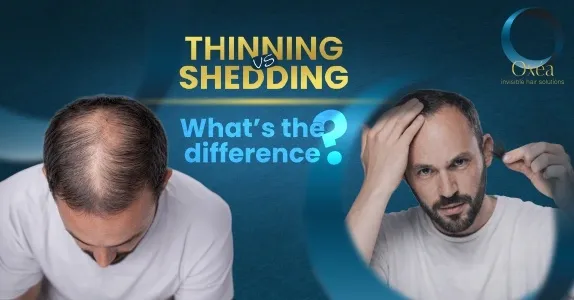
Is your hair falling out, or is it thinning? Hair thinning vs shedding always creates confusion for almost everyone.
You notice more strands in the shower, a wider parting, or a brush fuller than it used to be, and the panic sets in. But before you get nervous, you need to understand facts. This blog gives you exactly that: a clear guide to understanding what your hair is actually telling you.
Key Takeaways
Hair shedding is temporary; hair thinning is progressive.
Losing 50–100 hairs a day is entirely normal.
Shedding can turn into thinning if left unaddressed.
A non-surgical hair replacement system delivers immediate, natural results for hair thinning.
The earlier you act on hair thinning, the more options you have.
What is Hair Thinning?
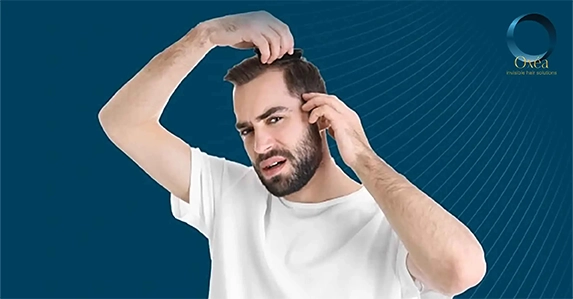
Hair thinning, compared to shedding, is way different because it happens when your hair gradually loses density over time. It happens when the follicles themselves begin to shrink, producing finer, weaker strands with each growth cycle until, eventually, some follicles stop producing hair altogether.
Signs of Hair Thinning
Your parting looks noticeably wider than it used to
Your ponytail or bun feels thinner in your hand
Your scalp is more visible, especially under bright light or in photographs
New hair growth looks finer, shorter, or lighter in colour
Your hair lacks the volume it once had even freshly washed
Bald patches or a receding hairline are beginning to appear
Your hair sits flatter against the scalp despite styling
Hair shedding (Telogen Effluvium) is a temporary condition where a higher-than-normal number of hairs enter the shedding phase simultaneously, usually triggered by a specific stressor.
Signs of Hair Shedding
Noticeably more hair in your brush, on your pillow, or circling the shower drain
Clumps of hair coming away during washing or styling
Increased fall-out that appeared suddenly, not gradually over months
The fallen hairs have a small white bulb at the root — a sign of a healthy, natural shed
Your overall volume feels temporarily reduced but not permanently changed
Shedding follows a stressful event, illness, new medication, or a significant dietary change
Losing between 50 and 100 hairs per day is considered completely normal by dermatologists and trichologists alike. Given that you have approximately 100,000 hair follicles on your scalp, losing 50–100 strands daily is less than 0.1%.
That said, context matters. If you have finer or shorter hair, you may notice shedding more visually than someone with thick, dense hair.
Post-partum women often experience a spike of 300+ hairs shed daily, typically peaking around four months after giving birth, and this still classifies as normal telogen effluvium, not permanent hair loss.
A useful tip: If you’re consistently losing more than 150–200 hairs a day over several weeks, without a clear trigger such as illness, surgery, or childbirth, that’s worth a conversation with a specialist.
Can Shedding Turn Into Thinning?
Yes, and this is the question most people forget to ask.
On its own, hair shedding is temporary. Your follicles remain healthy, and once the trigger passes, growth resumes as normal. But when shedding is severe enough, prolonged enough, or caused by something that directly damages the follicle, think chronic stress hormones, nutritional deficiencies, or underlying health conditions, it can start the process of follicle miniaturisation.
In some genetically predisposed individuals, chronic telogen effluvium can precede the onset of pattern hair loss, according to a long-term study published in the Journal of the American Academy of Dermatology.
Thinning vs shedding hair difference, you ask what the important distinction is? Hair shedding can heal itself. Hair thinning rarely happens without support.
What Causes Hair Shedding vs Hair Thinning?
Hair shedding is typically a systemic “shock” to the body. Researchcited in the British Journal of Dermatology suggests that triggers like high fever, rapid weight loss, or severe psychological stress can push up to 30% of your hair into the shedding phase at once.
Hair thinning, conversely, is often biological. In cases of Androgenetic Alopecia, a hormone called DHT attaches to the follicles, causing them to shrink. Over time, the follicle becomes so small that it stops producing visible hair. Unlike hair shedding, thinning doesn’t stop just because your stress levels drop; it requires a structural solution like a hair replacement system to restore the look of a full head of hair.
How to Tell Which One You Have (Self-Check Guide)
The Parting Test: Look at your parting in the mirror. If it looks wider than it did two years ago, it’s likely hair thinning.
The Pillow Test: Check your pillowcase. If it’s covered in hair strands every morning, but your scalp looks the same, it’s likely hair shedding.
The Strand Diameter: Hold a shed hair up to the light. If it’s significantly thinner and weaker than the hair at the back of your head, you are experiencing thinning.
Noticing changes in your parting, density, or daily hair fall?
Non-Surgical Treatment for Hair Thinning and Shedding
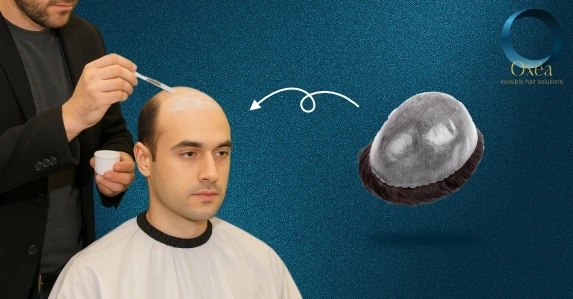
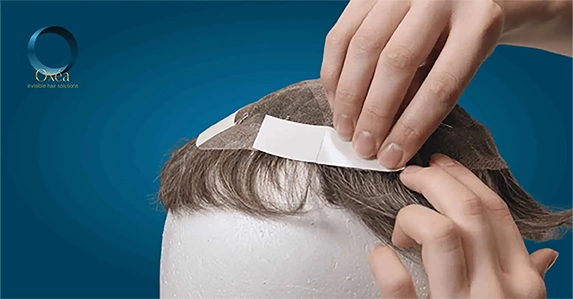
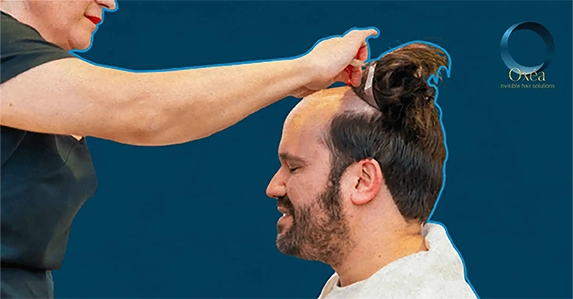
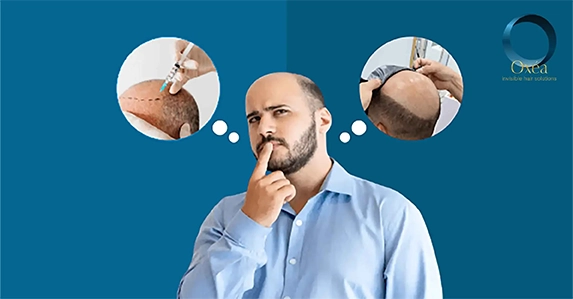
When the difference between hair thinning and shedding results in a loss of confidence, many consider a hair transplant or hair system. While transplants are invasive and rely on limited donor hair, Oxea London’s hair replacement system offers an instant, painless, and 100% guaranteed result. It is the only way to achieve “natural density” without the risks of surgery, making it the superior choice for people who cannot afford downtime!
If you have been watching your hair change and you know something’s shifted, book a consultation. It’s the most confident thing you can do for your hair today!
Conclusion
Hair thinning vs shedding, they are not the same, and treating them as though they are is one of the most common mistakes people make on their hair journey.
Shedding is your body in motion. Thinning is your follicles sending a message. Both deserve attention, but hair thinning, especially when left unaddressed, tends to progress quietly, making the window for effective intervention shorter than most people realise.
Oxea London is here to help you understand exactly what’s happening and what your options are. A consultation changes everything. Book yours today!
Shedding is temporary hair fall where follicles remain healthy and regrowth returns. Hair thinning is a progressive reduction in hair density caused by follicle miniaturisation; new growth gets finer with each cycle. Shedding often resolves itself; thinning typically requires intervention.
Yes. Stress typically triggers shedding (telogen effluvium) first. If chronic, it can contribute to hormonal changes that accelerate follicle miniaturisation, particularly in those already genetically predisposed to pattern hair loss.
Check the root of fallen hairs for a white bulb (healthy shed). Compare the parting width photos over four weeks. Assess whether the new regrowth is as thick as your established hair. If density is progressively reducing, thinning is more likely than temporary shedding.
Shedding-related thinning often is, once the trigger is resolved. Genetic or follicle miniaturisation-based thinning is not easily reversed, but it can be slowed or addressed immediately with a non-surgical hair replacement system that delivers natural results from day one.
If you’re consistently losing more than 150 hairs a day, noticing visible changes in density or parting width, or if shedding hasn’t resolved within six months of a known trigger, book a consultation.
Megan Brooks is a Certified Trichologist at Oxea Invisible Hair Solutions with over 21 years of Unbeatable experience. Throughout her remarkable career, she has successfully completed an impressive 8000+ hair replacement systems. Megan is dedicated to transforming lives and boosting self-confidence so that one can live with all the pride. She has served over 800 satisfied clients and still-counting, while helping them regain their natural appearance and feel their best.