How to Wear a Hair Patch Confidently in Windy Weather?
Written by
Megan Brooks
Last modified
SHARE ON
Table of Contents
Contact our specialists now for Hair Replacement!
Share this article
Introduction
Confidence comes from knowing your hair is not going anywhere.
When you invest in a non-surgical hair replacement, you want it to feel like your own hair. That means it shouldn’t move when the wind blows. To secure a hair patch in windy weather, you need to focus on the “anchor points” at the back and sides of your head. We are sharing the most effective methods to keep your hair patch safe during windy season, so you can get back to enjoying your day.
Key Takeaways
Focus on the back and sides of the head to counteract lateral wind pressure.
Always keep your scalp clean & oil-free for a stronger adhesive bond.
A custom-fitted hair patch leaves no gaps for wind to catch or create leverage.
Get this combined approach by using adhesives with clips or pins on high-wind days.
Regularly check the perimeter and crown; the hair system (hair patch) should move with your head, not independently.
Why Wind Makes Us Worry About Hair Patch Security
Wind applies consistent lateral pressure. Depending on speed and direction, it can expose adhesion gaps or create lift at the perimeter. This is basic physics, not a flaw in your choice. The issue is not that hair patches can’t handle wind; professional hair patch absolutely can. The issue is that many people aren’t taught how to prepare them for wind conditions.
People who’ve had a proper fitting and understand the techniques of their hair system don’t worry about wind. They walk into storms and barely think about it.
Top Methods for Wearing Hair Patches Confidently in Wind
If you’ve ever let the fear of wind hold you back from wearing your hair patch, or if you’re planning an outdoor adventure soon, these tips will set you free.
Method 1: Professional Adhesive Application (The Foundation)
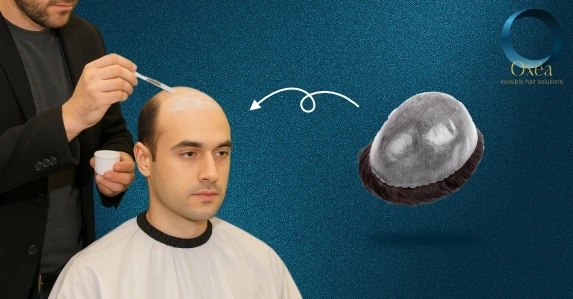
To safeguard your hair patches in windy weather, this is where it starts. Not all adhesives are equal, and not all applications are correct.
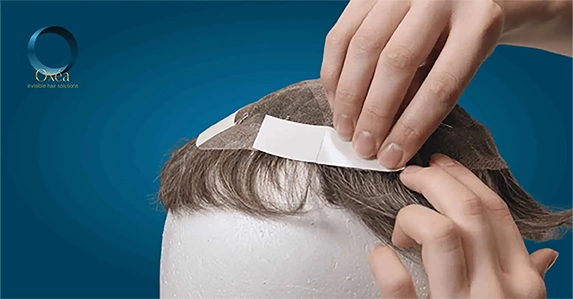
Hair system adhesives rated for extended wear (7-14 days) offer superior hold in windy conditions compared to temporary options. Brands like Walker Tapeadhesives create a bond that wind simply cannot break.
The Application Method:
Clean the scalp thoroughly with an alcohol-based cleanser - sweat and oil are adhesive's enemies
Allow 2-3 minutes for complete drying
Apply a thin, even layer across the entire perimeter (not just problem areas)
Wait for the recommended bonding time (usually 1-2 minutes)
Press firmly for 30 seconds along each section
Method 2: The Strategic Pin & Clip System
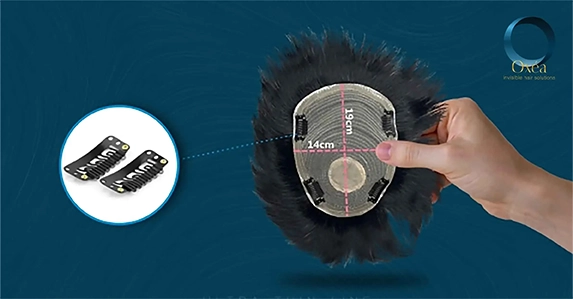
For those who prefer non-adhesive options or want additional security, combining hair patch accessories like clips with bobby pins creates remarkable stability.
What You’ll Need:
Quality hair clips (side clips specifically designed for hair patches)
Stainless steel bobby pins
Elastic headband (for additional anchoring)
Place clips at the temples and above each ear. Use bobby pins to secure the nape area to natural hair (if you have some) or an undergarment. This creates three anchor points that work against wind force rather than relying on one adhesion method. It’s surprisingly effective.
Method 3: Custom Fitting
The best wind resistance comes from proper fitting. A hair patch that fits precisely to your head shape has less surface area exposed to wind pressure.
This is where professional fitting and expertise matter:
Follows your actual head contours
Eliminates gaps where wind can gain leverage
Distributes pressure evenly across adhesion points
Reduces the need for excessive adhesive
If you haven’t had a professional fitting, this single step will change your experience more than any other method.
In windy conditions, this creates an additional stabilising layer.
Method 5: The Headband Hack
On particularly windy days, a stylish headband or hair accessory serves a dual purpose: fashion and function. A well-positioned band can reduce movement significantly, especially at the crown where wind pressure concentrates.
The psychological benefit? You’re doing something active to secure your hair system and that confidence alone matters.
Preventive Care & Maintenance for Windy Conditions
1. The Perimeter Feel Test: Run your fingers along the front hairline, temples, and nape. You should feel zero movement. Any slight shift indicates you need to reapply adhesive before leaving.
2. The Pressure Test: Gently push upward on the crown. The system should move with your scalp, not separately.
Independent movement = insufficient adhesion.
3. The Clip Check: If using clips, ensure they’re seated properly and bobby pins are secure.
Wind exposure creates stress on your system’s structure. Weekly maintenance prevents degradation:
Remove the system completely and inspect the base for stress points
Clean adhesive residue thoroughly using a gentle solvent
Check that clips or attachment points aren't damaged
Inspect the hair itself for tangles or breakage from wind exposure
Deep clean your scalp before reapplication
Looking to Upgrade to a Professionally Secured Hair Patch?
Quick Fixes If Your Hair Patch Starts to Shift Outdoors
Scenario 1: Slight Perimeter Shift (The Most Common)
You feel a small lift at the hairline. Don’t panic, you’ve got options:
Immediate Fix : Move to shelter or turn your back to the wind. Press down firmly on the shifted area for 10 seconds. Usually, this resets the adhesive contact. If you’ve used quality adhesive, it will reseat.
Scenario 2: Multiple Points Lifting
This suggests your initial application wasn’t thorough. Here’s the fix:
Find a private space (bathroom, car, office)
Gently lift the system from the affected areas
Apply a thin line of adhesive to the exposed base
Reset and press firmly for 30 seconds
Wait 1-2 minutes before moving around
Carry a travel-sized adhesive bottle. It’s smaller than a lipstick and invaluable
Scenario 3: The Clip Shift
If using clips and one comes loose, simply re-seat it. This usually takes 10 seconds. However, if a clip consistently loosens, you may need a replacement.
Scenario 4: The Crown Lift
This is less common but happens with strong gusts. The crown lifts as wind passes over the system.
This indicates your initial fit might not be optimal for your head shape. Post-wind, make a note to discuss this with your fitting specialist. They can adjust the base shape.
Use bobby pins anchored through the system to your undergarment or natural hair. This isn’t permanent, but it works until you can reapply adhesive properly.
Post-Wind Care
Once indoors, don’t just rip it off. Detangle the hair patch gently from ends to roots using a wide-tooth comb. Check the tension of your clips or the integrity of your bond. If the wind has lifted the lace, a small “touch-up” of adhesive on a cotton bud can reset the seal.
Get Long-Term Security Instead of Quick Outdoor Fixes?
Confidence in a hair patch comes down to trust in the products you use and the precision of your fit. Wind shouldn’t be a source of worry; it is simply a variable that can be managed with the right technical approach. By focusing on correct application and regular maintenance, you ensure your hair patch remains a secure part of your identity.
At Oxea London, we specialise in customised fittings and advanced adhesives designed for your hair systems to give you that level of certainty. When your hair patch is expertly designed for your lifestyle, you can stop worrying about the weather and get back to enjoying your day.
Use a combination of a silicone grip band and high-quality adhesive tape on the “anchor points” (temples and nape). This creates a multi-point security system that resists lifting.
Likely not. Natural hair moves and shifts in the wind, too. As long as your hairline remains flat against the skin, a slight movement looks completely organic.
Find a mirror or a shop window. Use the “palm-press” technique to re-seat the clips or adhesive. If it feels very loose, use a headband or scarf until you can reach a private space.
Megan Brooks is a Certified Trichologist at Oxea Invisible Hair Solutions with over 21 years of Unbeatable experience. Throughout her remarkable career, she has successfully completed an impressive 8000+ hair replacement systems. Megan is dedicated to transforming lives and boosting self-confidence so that one can live with all the pride. She has served over 800 satisfied clients and still-counting, while helping them regain their natural appearance and feel their best.