The demand for non-surgical hair loss treatments has surged as people move away from permanent, high-risk procedures.
The reason is simple: people want control, flexibility, and natural results.
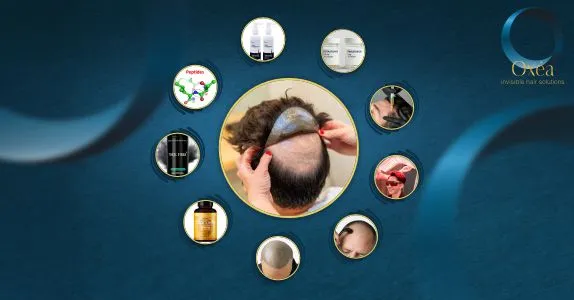
This blog ranks the top 10 non-surgical hair loss treatments in 2026, if you’re actively searching for a hair loss treatment without surgery, or comparing alternatives to hair transplant procedures, this list will help you identify the one solution that delivers visible results when most treatments only slow the problem.
Top 10 Non-Surgical Hair Loss Treatments in 2026 (The 8th One Delivers the Most Real Results)
Topical Minoxidil
Oral Medications (Finasteride/Dutasteride)
PRP (Platelet-Rich Plasma) Therapy
Low-Level Laser Therapy (LLLT)
Microneedling for Hair Growth
Scalp Micropigmentation (SMP)
Nutraceutical Supplements
Non-Surgical Hair Replacement System
Cosmetic Hair Fibres
Peptides
These are the most discussed non-surgical treatments for hair loss in 2026, but only one option reliably restores the appearance🡻.
Why #8 stands out: It is the only option that delivers immediate density, visible coverage, and control without waiting months.
Understanding Your Goal
Before we list them, let’s be clear. The “best” treatment depends on your definition of success. Keep your personal intent and outcome in mind as we list the 10 non-surgical hair loss treatments, especially if your real need is a hair loss treatment without transplant that still looks natural and immediate.
1. Prescription Topical Treatments (Minoxidil)
Minoxidil works by extending the anagen (growth) phase of your hair cycle. It’s a liquid or foam applied directly to the scalp, proven to thicken existing hairs and stimulate mild regrowth, particularly at the crown.
When to choose this treatment: Opt for this if you are in the very early stages of diffuse thinning, have the patience for a 4-6 month waiting period before seeing results, and are prepared for a lifelong, twice-daily application to maintain any progress made.
2. Oral Medications (Finasteride/Dutasteride)
These are 5-alpha-reductase inhibitor pills, prescribed specifically for male pattern hair loss. They work systemically to reduce the production of DHT, the hormone responsible for shrinking susceptible follicles, effectively halting loss and promoting regrowth in a majority of users.
When to choose this treatment: This is a primary medical defence for men with diagnosed androgenetic alopecia who are committed to long-term pharmaceutical intervention. A candid conversation with your dermatologist about suitability and potential side effects is an essential first step.
3. Platelet-Rich Plasma (PRP) Therapy
A procedural treatment where a concentration of your own platelets rich in growth factors is injected into the scalp’s thinning areas. The aim is to rejuvenate dormant follicles and encourage a healthier growth environment.
When to choose this treatment: This is for those seeking a more clinical, interventionist approach beyond topicals, often for early to moderate-stage loss. Be prepared for an initial series of 3-4 sessions and ongoing maintenance treatments, with variable individual results. It’s an investment in potential biological stimulation.
4. Low-Level Laser Therapy (LLLT)
This treatment is delivered via laser caps, bands, or combs.
LLLT uses specific wavelengths of red light to stimulate cellular metabolism within the follicle. Think of it as a low-impact treatment designed to improve the health and output of your existing hair.
When to choose this treatment: Consider this for early-stage thinning. It’s for the individual who values a non-invasive, home-based routine and is seeking to improve hair strength, reduce shedding, and enhance the efficacy of their topical treatments over consistent, long-term use.
5. Microneedling For Hair Growth
A clinical procedure, microneedling uses fine, sterile needles to create controlled micro-injuries in the scalp. This process aims to trigger the body’s natural wound-healing response, stimulating localised blood flow and growth factors to rejuvenate the follicle environment and improve the absorption of topical treatments.
When to choose this treatment: Go with this if you are already using topical solutions like minoxidil and have progressed in results, are committed to a long-term, clinic-based protocol of initial monthly sessions, and view hair restoration as a gradual biological process you wish to actively optimise over many months.
6. Scalp Micropigmentation (SMP)
A cosmetic tattooing technique where ultra-fine dots of pigment are implanted into the scalp to replicate the appearance of natural hair follicles or add density to thinning areas.
When to choose this treatment: This is an excellent alternative to a hair transplant for those who favour a very short hairstyle or need to add the illusion of density under existing longer hair. It is a permanent cosmetic change, so consultations are important.
7. Nutraceutical Supplements
Targeted blends of vitamins (Biotin, D), minerals (Zinc, Iron), amino acids, and botanicals like Saw Palmetto. They are designed to correct nutritional deficiencies that may contribute to hair loss and support the overall health of the follicle.
When to choose this treatment: Use these as a foundational support strategy. If your diet is lacking or you are experiencing general shedding (telogen effluvium), they can be beneficial.
8. Non-Surgical Hair Replacement System
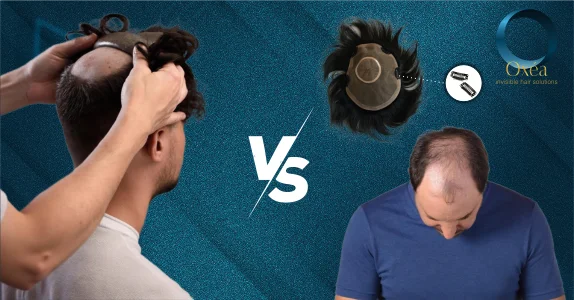
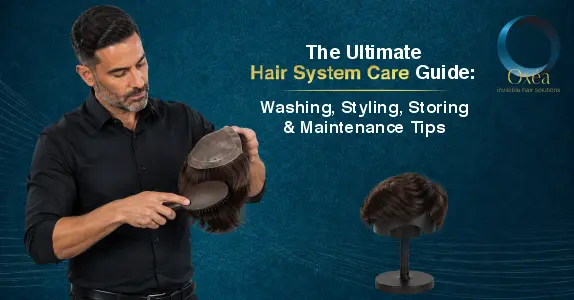
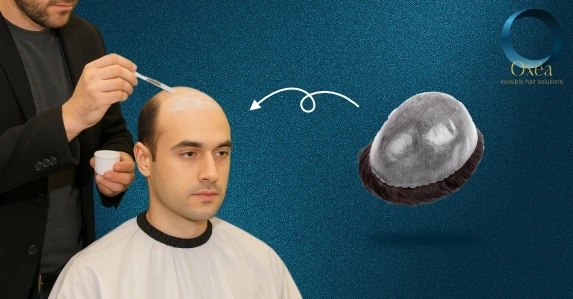
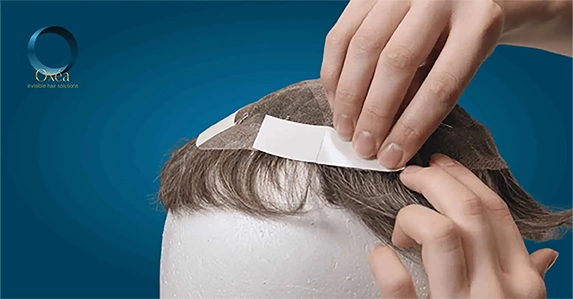
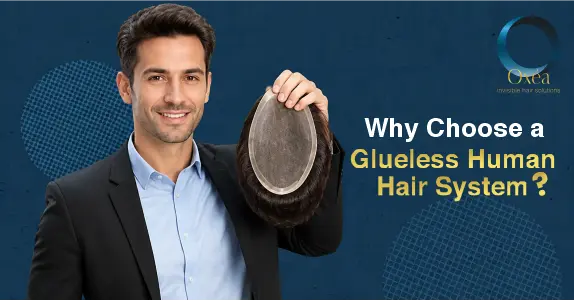
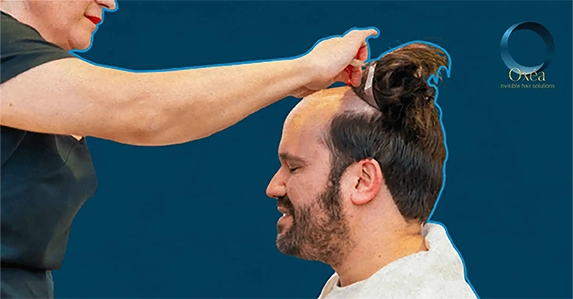
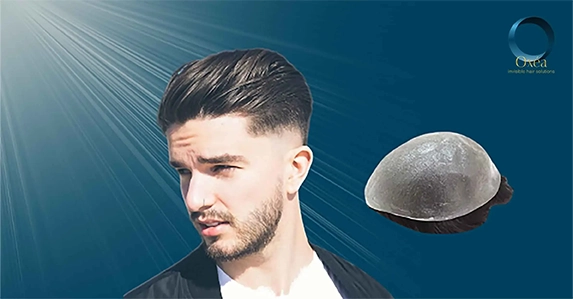
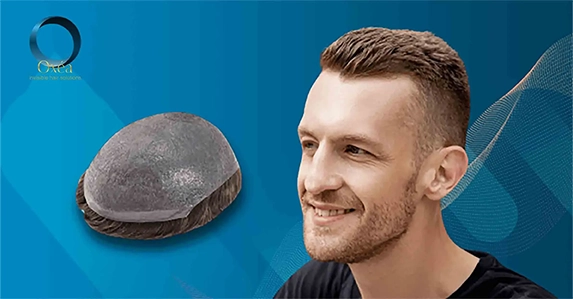
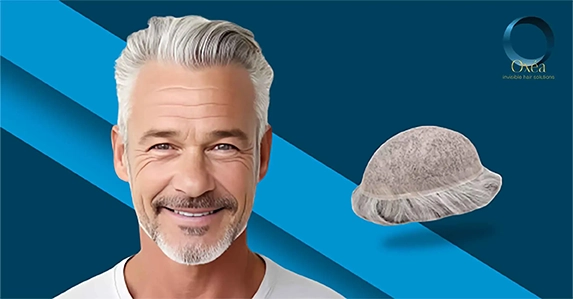
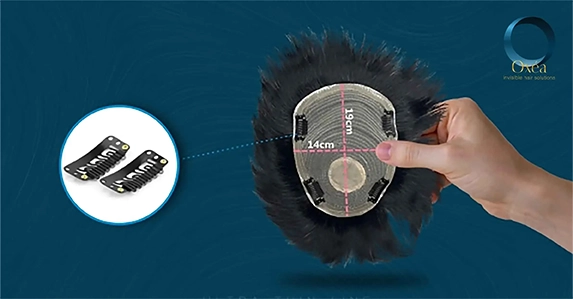
This is a modern hair system, a hairpiece made from real human hair on an invisible, breathable base. It can be customised for you, then carefully attached and cut to blend perfectly with your natural hair and features. The result is not an add-on, but a seamless integration that looks and feels like your own hair.
When to choose this treatment: This is the choice when your intent is guaranteed, immediate, and natural-looking results.
When you require not just hair, but your hair, with its natural density, hairline, and movement restored. Also, the cost of non-surgical hair replacement systems is often more predictable and controllable over time.
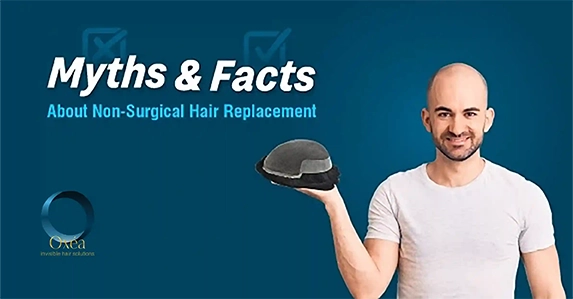
Much of the hesitation around hair systems comes from assumptions. Separating perception from reality is necessary, which is why understanding the myths and facts of non-surgical hair replacementhelps people make informed, confident decisions.
9. Cosmetic Hair Fibres
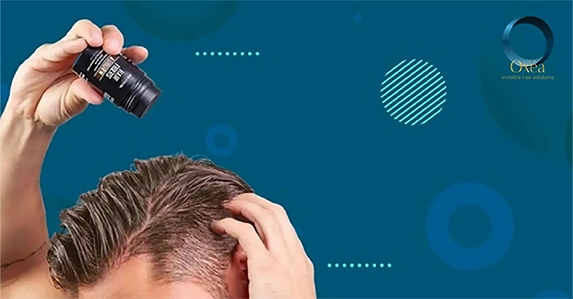
These are cosmetic microfibres (often keratin) that bind to your existing hair shafts. They work instantly to thicken the visual appearance of hair, hiding patches and reducing the visible contrast between hair and scalp.
When to choose this treatment: Choose this for a temporary solution. It’s perfect for covering a thinning crown before a special event, a photoshoot, or on days you need an immediate confidence boost. It is a cosmetic cover-up, not a treatment, and washes out easily.
10. Peptides
They are short chains of amino acids, the building blocks of proteins like keratin that make up your hair. In hair loss treatments, specific peptides are formulated into serums and shampoos. They work by sending targeted signals to your hair follicles, aiming to encourage a healthier growth environment, reduce inflammation, and prolong the active growth phase of the hair cycle.
When to choose this treatment: Opt for this if you are in the very early stages of thinning and prefer a cosmetic, non-prescription approach.
What’s the Best Non-Surgical Hair Loss Treatment for Desired Results?
Most non-surgical treatments aim to slow loss or stimulate growth.
Also, for most people, the real question is not which treatment exists, but which option delivers visible hair when hair loss is already noticeable.
Many non-surgical treatments work by supporting hair biology, slowing loss, stimulating weakened follicles, or improving scalp health. These approaches rely on time, consistency, and the body’s response. When follicles are still active, they can help maintain existing hair.
However, when thinning has progressed to visible scalp or receding hairlines, the challenge shifts from stimulation to restoration.
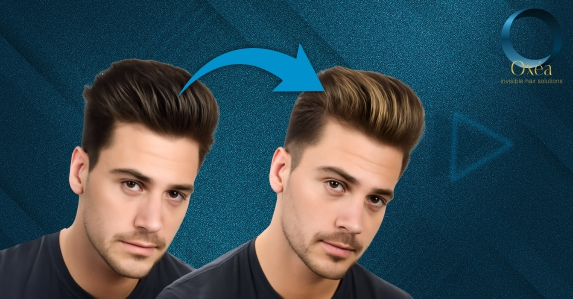
This is where non-surgical hair replacement systems are chosen, not because they promise growth, but because they solve the appearance problem directly. They do not depend on medication response, genetic variability, or months of waiting. Instead, they restore density, hairline structure, and overall appearance.
NOTE -
Studies found that the psychological burden of hair loss, including anxiety and social avoidance, is directly tied to visible appearance. Medications don’t address this overnight. Our hair system does. It solves the core issue that brought you here: the reflection you see and the confidence you feel.
The reason this approach wins when it comes to hair transplants or hair systemsis simple – the hair system replaces what can no longer be regrown, while keeping the process reversible, customisable, and non-invasive.
Any solution that addresses hair loss without surgery. This ranges from daily serums and pills to clinical procedures and custom hair systems that restore your look immediately.
For slowing loss, prescription medication. For guaranteed, natural-looking hair right now, a professionally fitted hair replacement system is the definitive best solution.
Initially, often yes. Long-term, a quality hair system provides better value and certainty. A hair transplant is a single, costly surgery with variable results. A hair system gives you controlled, immediate results.
Minoxidil is the entry-level effective option. For effectiveness measured by guaranteed visual results, a hair system is superior. It’s a solution, not an ongoing cost for potential growth.
Megan Brooks is a Certified Trichologist at Oxea Invisible Hair Solutions with over 21 years of Unbeatable experience. Throughout her remarkable career, she has successfully completed an impressive 8000+ hair replacement systems. Megan is dedicated to transforming lives and boosting self-confidence so that one can live with all the pride. She has served over 800 satisfied clients and still-counting, while helping them regain their natural appearance and feel their best.